
Last updated November 20, 2026
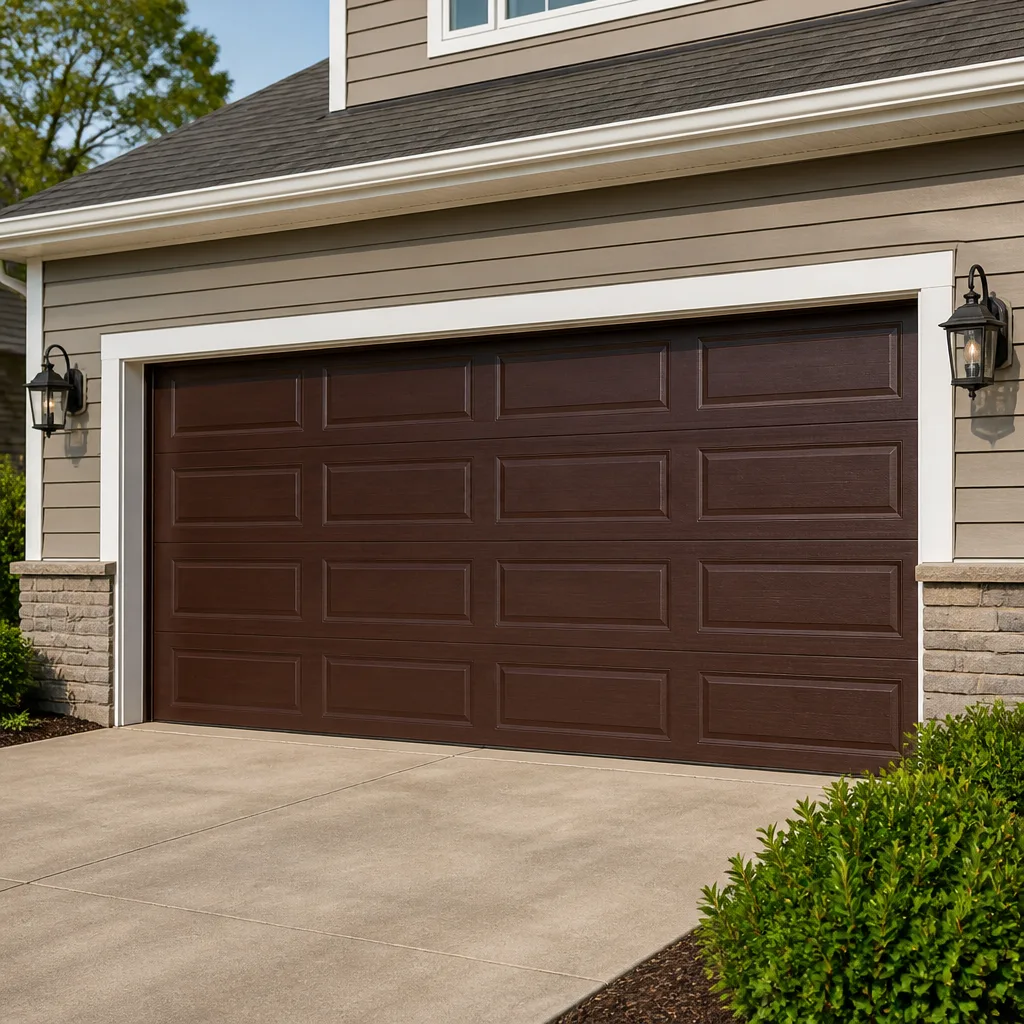 Raised-panel steel
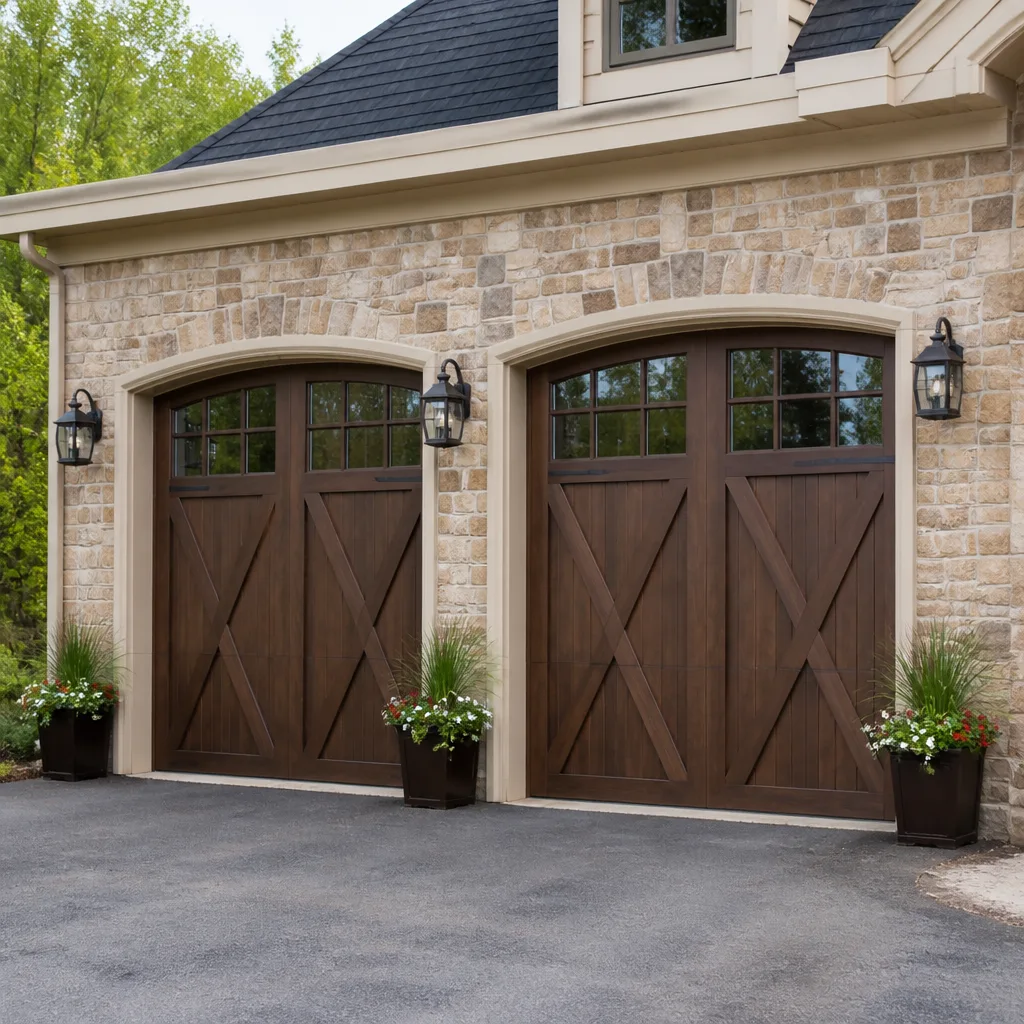 Carriage house
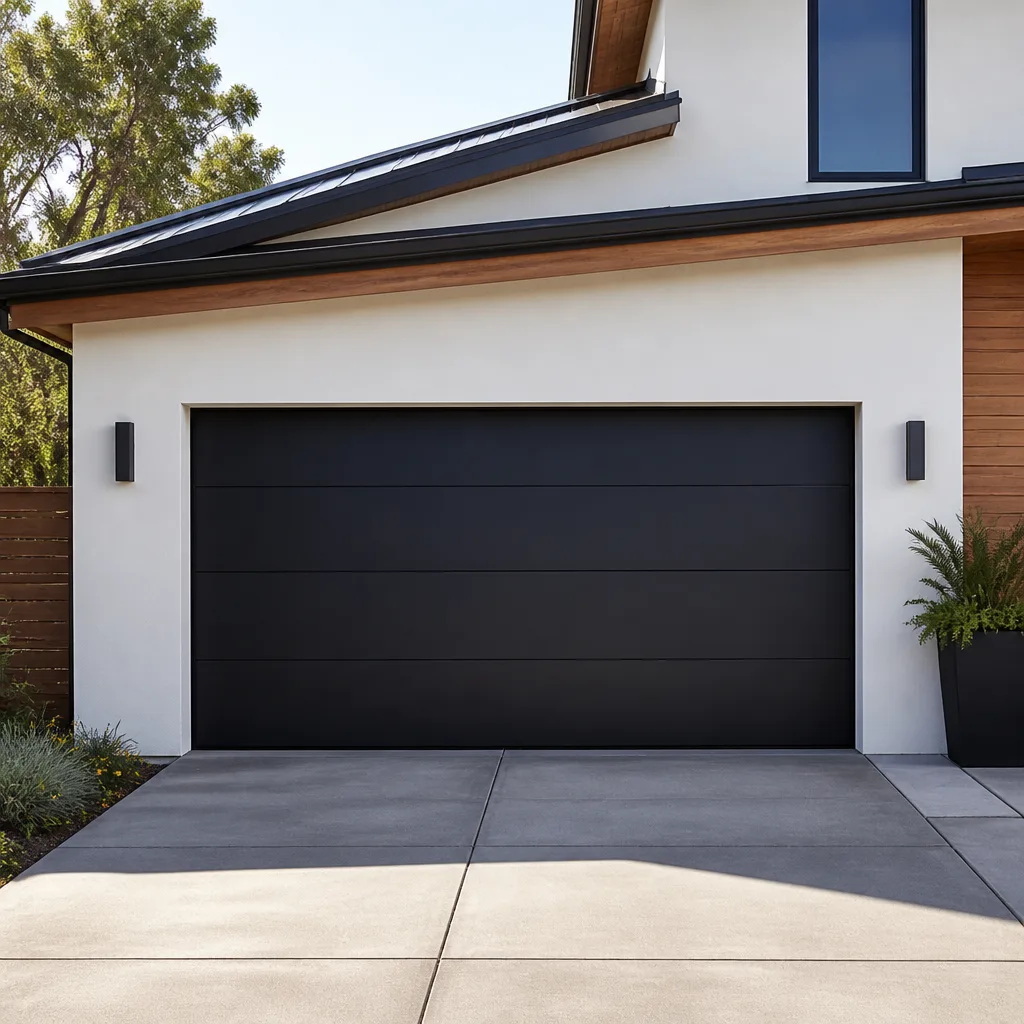 Modern flush
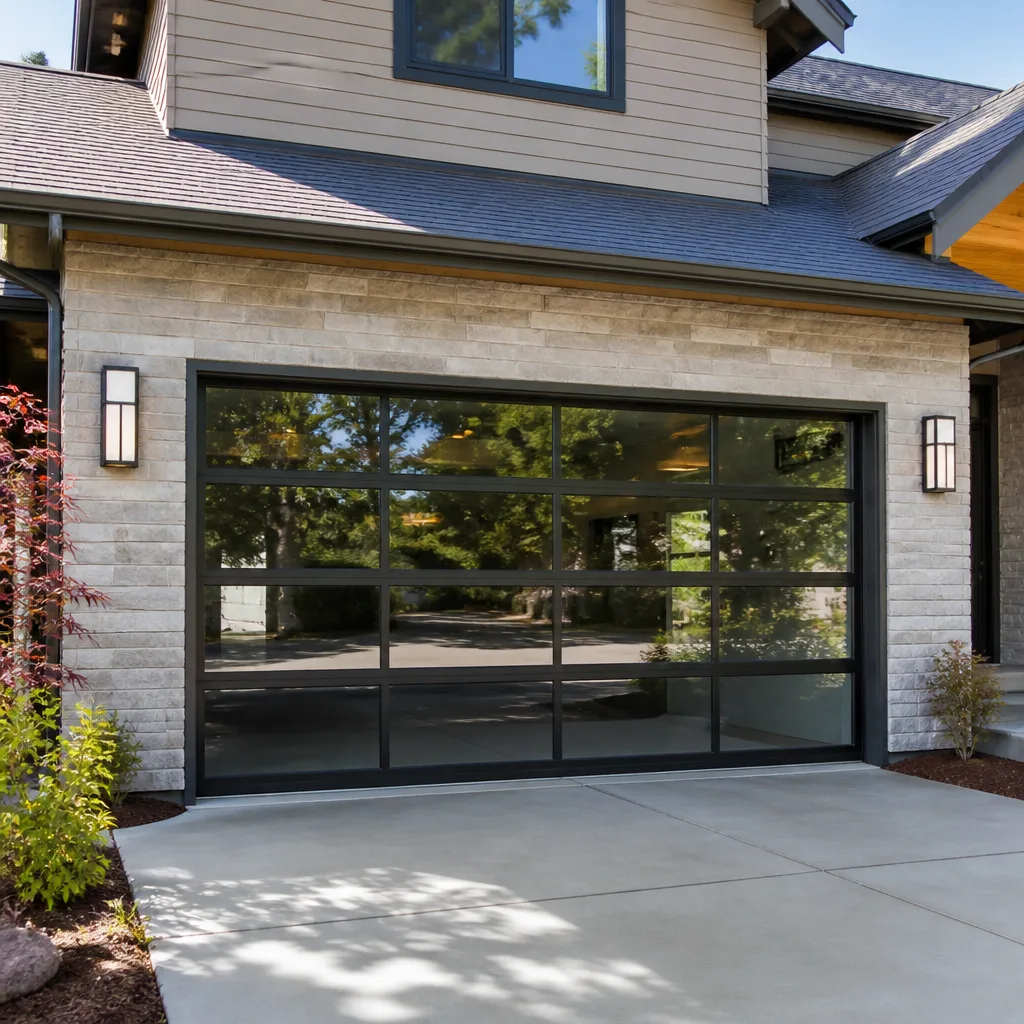 Full-view glass
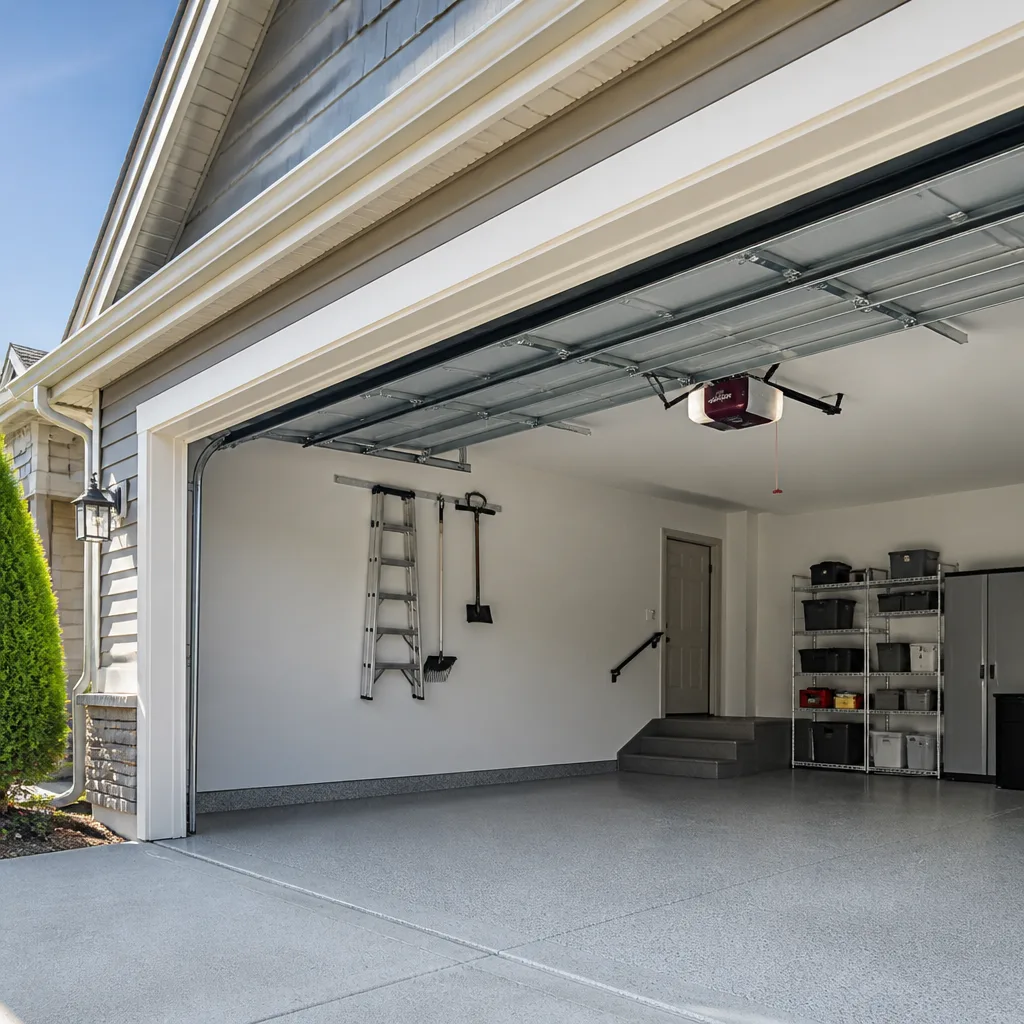 LiftMaster openers
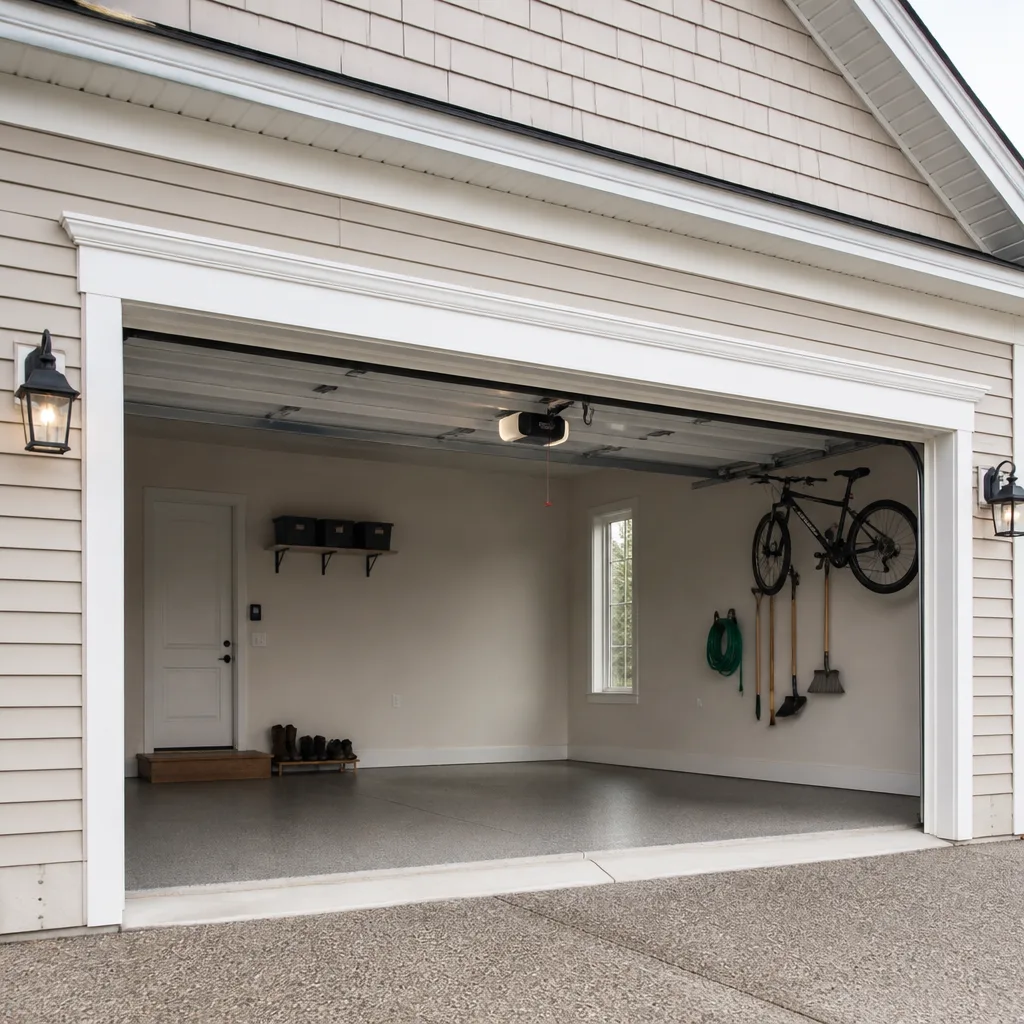 Chamberlain openers
Full 25-point door and opener safety check with every visit - springs, cables, rollers, tracks, and your LiftMaster or Chamberlain opener included
You get a price before we start. It does not change when the pro arrives.
Get your free estimateThe Complete Guide to Garage Doors in Burien
Most guides to garage doors are written for Phoenix or Atlanta, and you can tell within a paragraph. Burien isn’t Phoenix. We get a marine layer that parks over the area for a big chunk of the year, and that one fact changes which steel, which springs, and which openers are actually worth your money. A door that would last twenty years in the desert can start showing rust and sticking tracks here in a fraction of that if it wasn’t specified right. This guide walks through every decision a Burien homeowner faces, from picking a door that fits a mid-century rambler to knowing when a swap needs a permit. It’s written from here, for here.
Quick Answer
The right garage door for a Burien home comes down to matching the system to your actual house and our actual weather: heavier-gauge, properly galvanized steel for the moisture, a door style that fits your home’s structure, torsion springs suited to your ceiling height, and a realistic R-value for an attached versus detached garage. Get those fundamentals right and the door lasts. Get them wrong and you’ll be calling for garage door repair far sooner than you’d expect.
Styles & brands we work with
- Raised-panel steel
- Carriage house
- Modern flush
- Full-view glass
- LiftMaster openers
- Chamberlain openers
Table of Contents
- Why Burien’s Moisture Changes Which Doors Hold Up
- Which Door Styles Actually Fit Burien’s Housing Stock
- Torsion vs. Extension Springs: What’s Standard in Burien
- How to Read R-Value Honestly for a Burien Winter
- Matching an Opener to Your Door and Your Smart Home
- Local Permit Triggers: When You Need One and When You Don’t
- A Burien-Specific Maintenance Routine
- How to Choose a Garage Door Technician Here
Why Burien’s Moisture Changes Which Doors Hold Up
Burien sits under a marine layer that mists the area for much of the year, and that steady damp does quiet, boring damage to garage doors. It gets into the gaps at panel joints, works at the bottom of the door where it meets the ground, and sets up rust on hinges and rollers if the hardware wasn’t galvanized in the first place. The building itself doesn’t help: a garage is often the least heated, least ventilated space in a Burien house, so moisture lingers there longer than anywhere else on the property.
Here’s what holds up here and what doesn’t:
- Steel gauge matters more than the finish. A 24-gauge door with a good finish beats a 27-gauge door with a beautiful one. The thinner the steel, the more it dents and the faster a bad scratch becomes a rust spot in this climate.
- Galvanized hardware is non-negotiable. Hinges, rollers, and track brackets that aren’t galvanized start to pit and seize within a few wet seasons. When you’re comparing doors, ask what the hardware is made of, not just the panels.
- Primed and sealed bottom sections last longer. The bottom of the door sees the most standing moisture. A sealed bottom section resists the rot and rust that start there.
- Wood doors need real maintenance here. Painted steel and aluminum are more forgiving. A wood door is beautiful, but the regular sealing it needs in a wet climate is a commitment, not a one-time effort.
We’ve seen what happens when a door is specified for dry weather and dropped into a wet Burien setting. Panels delaminate. Hinges freeze up. It’s the most common reason a door fails well before it should, and it’s entirely avoidable with the right materials. When something does go wrong, matching the repair to the actual failure is what a specialist does – that’s the core of Burien Garage Door Repair.
Which Door Styles Actually Fit Burien’s Housing Stock
Burien is a mix of mid-century ramblers, split-levels, and a growing number of newer townhomes. Each of those wants a different door, both structurally and visually. A style that looks sharp on a townhome can look out of place on a low-slung rambler, and the wrong door can be hard to fit to the opening in the first place.
Mid-century ramblers and split-levels. These homes usually have a wide, low garage opening and a shallow ceiling. A sectional door with a clean horizontal panel line or a very subtle raised-panel look reads right on them. Full-view glass would fight the architecture. High-lift track setups often don’t fit under a low, flat garage ceiling, so a standard sectional is usually the practical answer.
Newer townhomes and infill builds. These tend to have taller, narrower openings and more modern tastes. Carriage-style doors and clean flush-panel doors both work here. The taller ceiling means you have more room for a high-lift or side-mount setup if the door’s weight and the opening allow it.
- Low, wide opening + shallow ceiling: standard sectional, horizontal panel lines, torsion springs mounted on a low headroom setup.
- Tall, narrow opening + higher ceiling: carriage or flush-panel sectional, room for high-lift or side-mount garage door opener repair considerations when your opener needs service.
- Detached garage on a larger lot: durability matters more than matching the house style, so favor heavier steel and galvanized hardware over cosmetic details.
The gap between how a door is shown and how it fits is where mistakes happen. Measure the opening, check the ceiling height, and match the style to the home. That simple order of operations keeps a Burien garage working the way it should.
Torsion vs. Extension Springs: What’s Standard in Burien
Most homes of any age in Burien run torsion springs, and there’s a practical reason for that. Torsion springs mount on a shaft above the door at the header, so they work well in garages with standard or higher ceiling heights and they leave the side clearances cleaner. Extension springs run along the sides of the track and need more horizontal room, which is why they show up more on older, tighter setups and shallower garages. If your home is a newer build, odds are strong you have a torsion system.
How the two systems differ
- Torsion springs: one or two springs on a shaft above the door, lifting through cables and drums. They handle the door’s weight more evenly and are the standard in most Burien homes.
- Extension springs: springs that stretch along the sides of the track. Common on older installations and where a garage is short on headroom. They’re the system most manufacturers and safety codes warn about because of the exposed stretch.
Why this is the job we treat differently
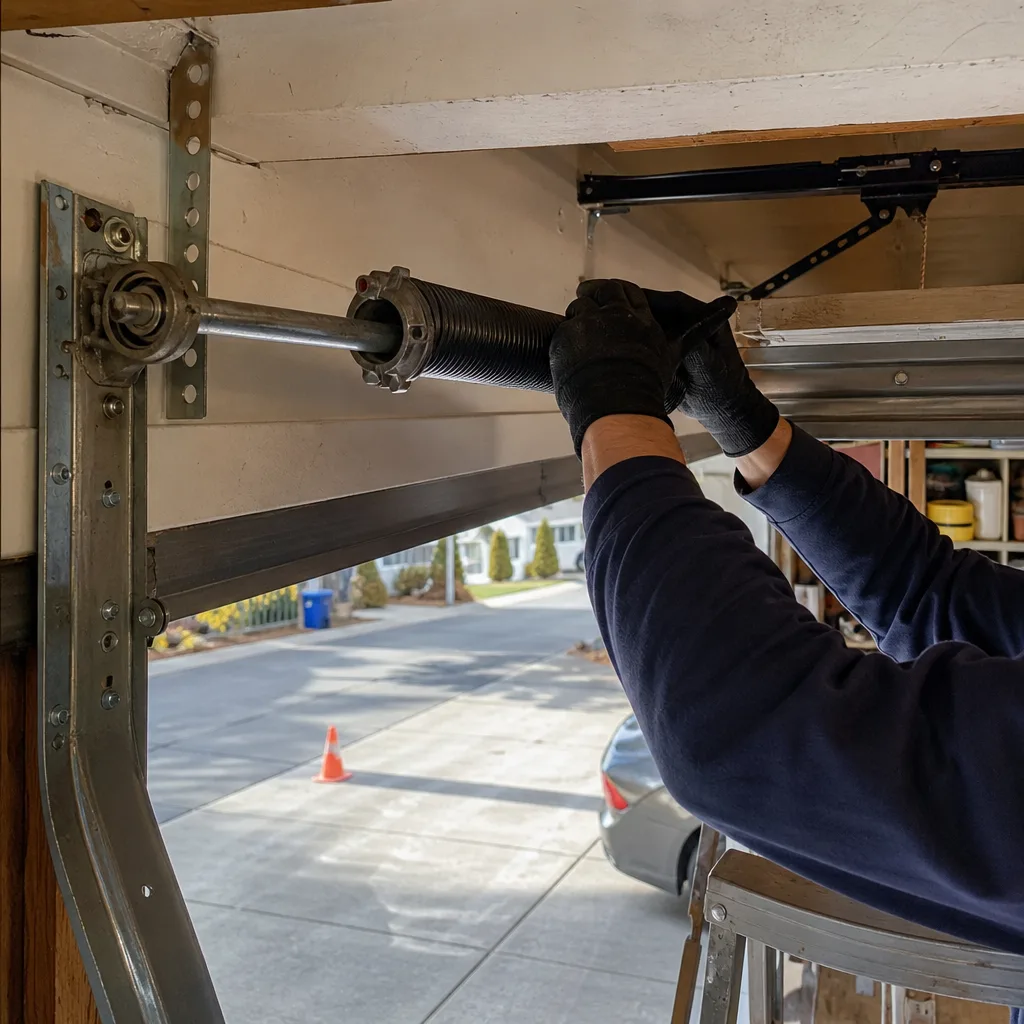
Torsion and extension springs are both under extreme tension, and that tension is exactly what makes them the most dangerous part of any garage door. This isn’t a job to take on with the wrong tools and a tutorial. Our technicians are equipped and trained for high-tension hardware specifically, and springs are the failure point we refuse to shortcut. If a spring is broken, the door shouldn’t be forced open – call us at (877) 619-3963. We answer 24/7, with fast dispatch from 7am to 7pm, Sunday through Friday.
When your springs give out, understanding your options before you call helps. Read more about garage door spring repair to see what goes into a safe repair. And never assume a matched pair should be split: springs wear together over the same cycles, so a pair is usually replaced as a pair.
How to Read R-Value Honestly for a Burien Winter
R-value is a measure of how well a door resists heat flow, and the honest way to think about it in Burien depends entirely on what’s on the other side of your garage wall. An attached garage shares a wall with your living space. A detached garage doesn’t. That single difference should drive how much you’re willing to spend on insulation.
For an attached garage
If your garage shares a heated wall with the house, insulation does real work. An insulated door keeps the garage from becoming a cold sink that pulls heat through that shared wall. It also cuts down on condensation forming on the door in our wet months, which is the enemy of steel. This is where a higher R-value earns its keep, though the number on the sticker only tells part of the story – an insulated door is only as good as its proper fit and a good perimeter seal.
For a detached garage
A detached garage in Burien is a cold box no matter what the door’s rating says. If you’re only storing tools and a car, an uninsulated or lightly insulated door is usually the sensible choice, and you’re paying for durability and weather resistance rather than R-value. A high R-value on a detached structure that leaks air everywhere else is money that doesn’t come back.
- Attached + heated space: invest in insulation, and treat the perimeter seal as part of the job.
- Detached + storage only: prioritize heavier steel and galvanized hardware over R-value.
- Attached + working space: insulation helps, but fix drafts and sealing first.
Matching an Opener to Your Door and Your Smart Home
The opener is where a lot of Burien homes meet new technology for the first time, and it’s also where a mismatched unit makes everything worse. The opener has to match the weight and type of door it’s lifting. An oversized opener on a light door wears it out faster. An undersized opener on a heavy insulated door struggles and burns out its motor. The door comes first, the opener second.
We service the opener brands most homeowners actually own, and two that come up often in Burien are LiftMaster and Craftsman. A Craftsman opener is the older workhorse we see on a lot of aging doors, and those legacy systems have their own habits around remotes, limits, and the motor’s behavior when it’s tired. LiftMaster, especially the newer smart-home platforms, brings Wi-Fi connectivity, phone control, and the usual app-based features. Both are covered, which matters if your home has a mix of old and new.
What to check before you buy a new opener
- Door weight and type first. Confirm your door’s weight and spring type before selecting an opener.
- Ceiling height and headroom. High-lift and side-mount setups are an option when the ceiling allows, but not on a low, tight setup.
- Safety features. Photo-eye sensors and the auto-reverse function aren’t optional extras; they’re the baseline the door’s safety depends on.
- Your phone. If smart-home control matters to you, confirm the unit’s app platform and how it connects before you commit.
Most opener failures we see aren’t the brand’s fault. They’re the result of a worn spring, a misaligned track, or a safety sensor knocked out of line – problems that live in the door, not the opener. That’s why we always look at the whole system. If your opener is acting up, the fastest path to answers is a quick call: (877) 619-3963.
Local Permit Triggers: When You Need One and When You Don’t
Permit rules vary, so the honest answer is that you should check with Burien’s building department before you commit to a project. What we can say with confidence is which projects tend to raise the question. A like-for-like door replacement – same size, same opening, same style of operation – often doesn’t trigger a permit, while a project that changes the opening, the structure around it, or the way the door operates usually does.
Usually just a swap
- Replacing a door with one of the same size and operation in the same opening.
- Repairing existing hardware, springs, or an opener that already exists.
Raise the permit question
- Widening or changing the garage opening itself.
- Structural changes to the wall, header, or framing around the door.
- Changing the door’s operation type in a way that alters the structure.
- Any work on a home in a designated historic or special district, where additional review may apply.
We don’t pull permits for you, and we won’t pretend to be your building department. What we do is tell you plainly when a project is likely to need one, so you go into the conversation informed. When in doubt, call the city before the door goes on the truck. It’s a short conversation that saves a much longer one later.
A Burien-Specific Maintenance Routine
A garage door that gets routine attention in this climate lasts dramatically longer than one that doesn’t. The moisture here means hardware needs looking after in a way it wouldn’t in a dry town. Nothing on this list is complicated, and most of it is a fifteen-minute check you can do a few times a year.
- Lubricate the moving parts. Hinges, rollers, and the spring shaft want a proper garage-door lubricant, not WD-40. Do this a few times a year here, especially in and after the wet months.
- Look at the bottom section and hardware for rust. Catch early pitting on hinges and rollers before it turns into a stuck door.
- Test the safety reverse. Put a roll of paper towels where the door meets the floor and confirm the door reverses when it touches it.
- Check the balance by hand with the door closed and the opener disengaged. If the door is fighting you or falling, something’s off – and that’s a call, not a DIY fix.
- Look at the perimeter seal and bottom weatherstripping. In a wet climate these take the most abuse, and a worn seal lets moisture in at the floor.
- Watch the tracks. A bent or loose track makes everything else work harder. Don’t force a misaligned door; it usually means something structural needs a look.
A word on springs: never adjust, unwind, or replace a spring yourself. A torsion spring under load can cause serious injury, and it’s the one part of this routine you should always leave to someone trained and properly equipped. That’s a line we don’t cross, and neither should you.
How to Choose a Garage Door Technician Here
The gap between a garage door specialist and a general handyman is real, and it shows up fast when something goes wrong. A garage door is a mechanical system under constant tension, with springs, cables, a track, and an opener that all have to work as one. A specialist works on these all day and knows the failure modes before the diagnosis starts. A generalist is learning on your door.
We’ve built our work around that difference: garage doors only, no other trades. Every job is a garage door job, and that focus means we recognize the typical failure points of the specific system you own.
Here’s what to look for when you’re choosing someone in Burien:
- Do they work on your brand? A technician who knows Wayne Dalton or Raynor systems recognizes the common failures of that specific door before opening a toolbox.
- Are they honest about springs? Anyone who treats spring work as routine, or who’s vague about the danger, is a bad sign. High-tension repair is the job that demands real equipment.
- Do they repair or upsell? If you need a repair, a specialist should be asking how to get your door back to working order, not how to sell you a new one.
- Do they quote before they start? The estimate should be free, and the price should be quoted and agreed before any work starts. Nobody should surprise you with a bill at the end.
Our technicians have up to 14 years of experience, and we work across the brands homeowners actually own, including LiftMaster, Chamberlain, Genie, Clopay, Amarr, Wayne Dalton, Craftsman, and Raynor. If you’re not sure what you have, we’ll identify it and tell you what’s likely wrong.
Common Mistakes to Avoid
- Buying on finish instead of gauge. A shiny door with thin steel and non-galvanized hardware will look good for a season and rust in Burien’s moisture. Ask about the steel gauge and the hardware material before you look at the color.
- Treating a detached and an attached garage the same. Paying for a high-R-value door on a detached, unheated garage in this climate is money you won’t get back. Match the insulation to the actual structure.
- Ignoring the bottom section. The bottom of the door takes the most standing moisture, and it’s the first place rust and rot appear. A sealed bottom section and a sound perimeter seal are worth more attention than most people give them.
- Replacing one spring when both are worn. Springs wear through the same cycles together. Replacing one leaves you with a door that’s out of balance and heading for another failure soon.
- Blaming the opener for a door problem. A worn spring, a bent track, or a safety sensor that’s been nudged out of line will make any opener look broken. Diagnosis starts with the door, not the motor.
- Skipping the permit question on a structural change. A like-for-like swap often doesn’t need a permit; changing the opening or framing usually does. Check with the city before the project, not after.
- Forcing a door with a broken spring. Pulling a door open by hand when a spring is broken risks injury and bends the track. It’s a call, not a shove.
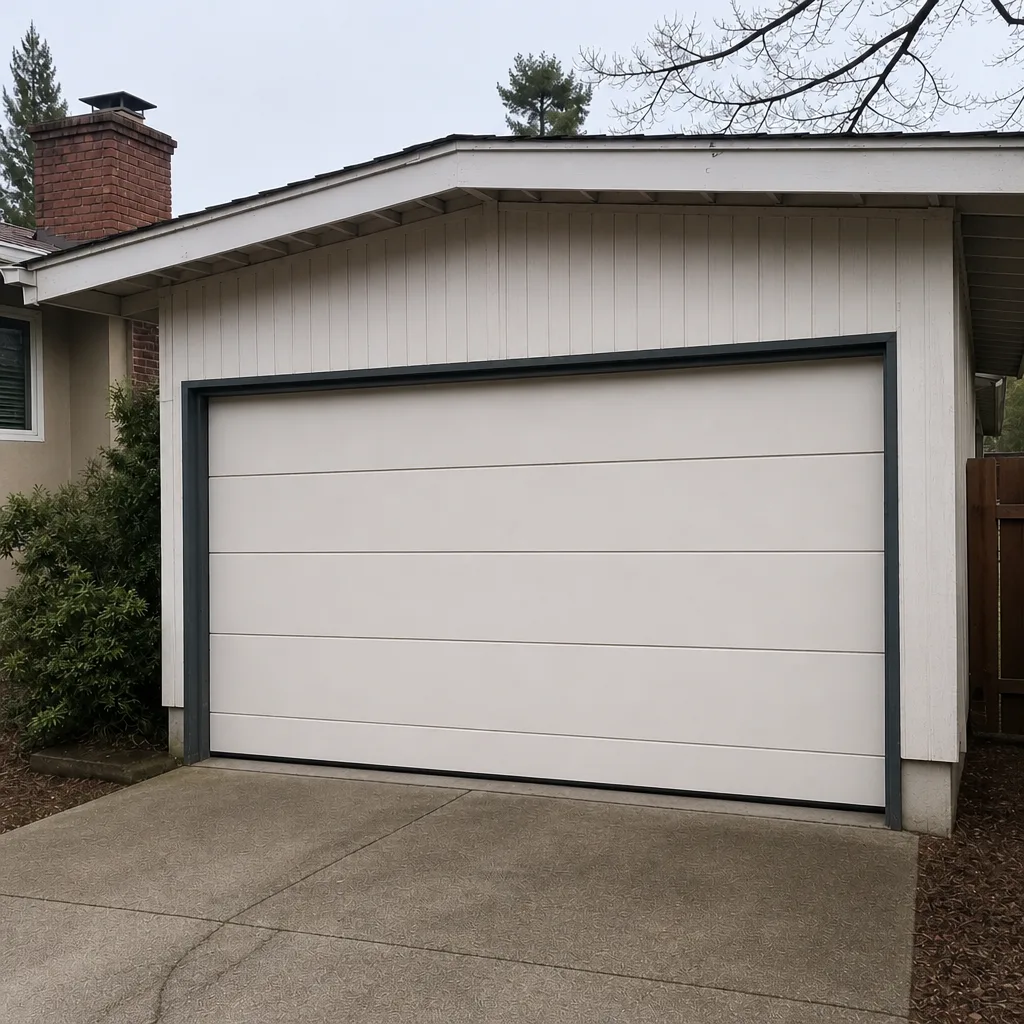
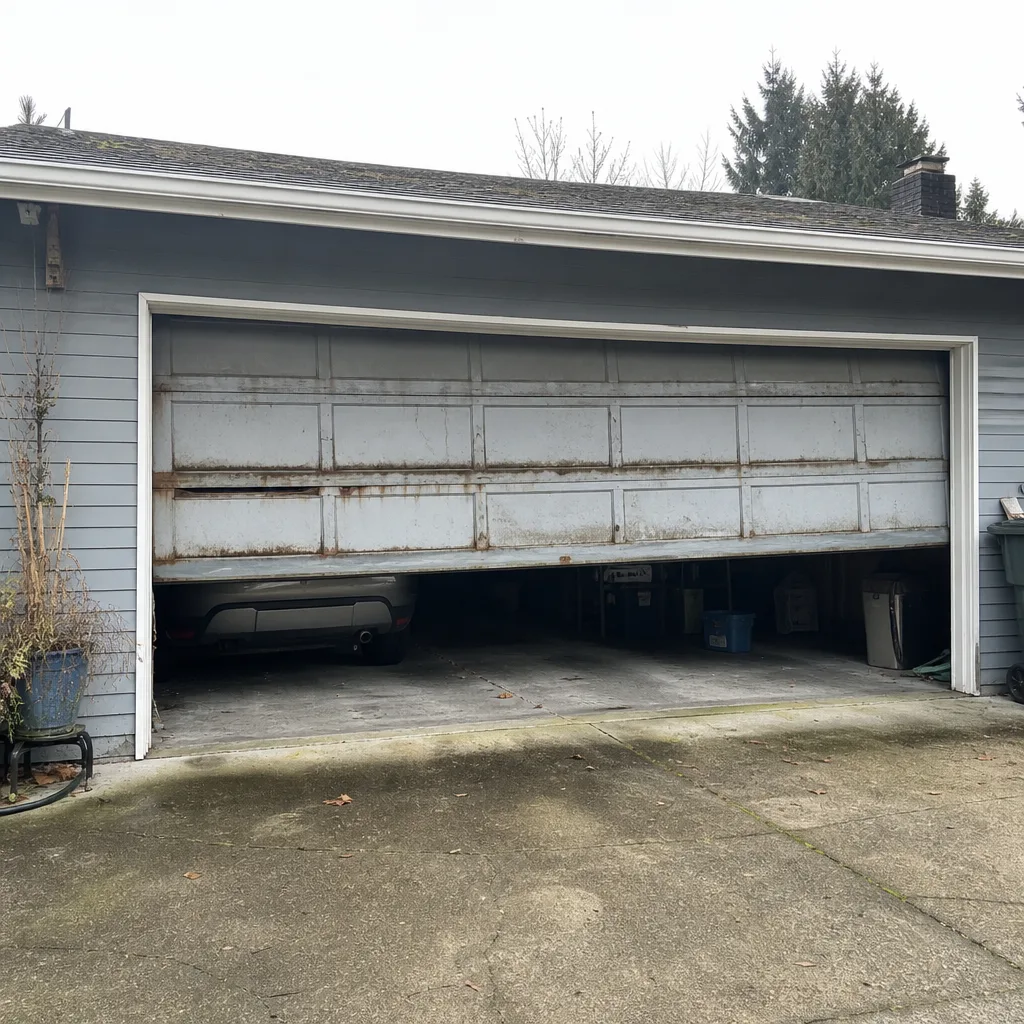
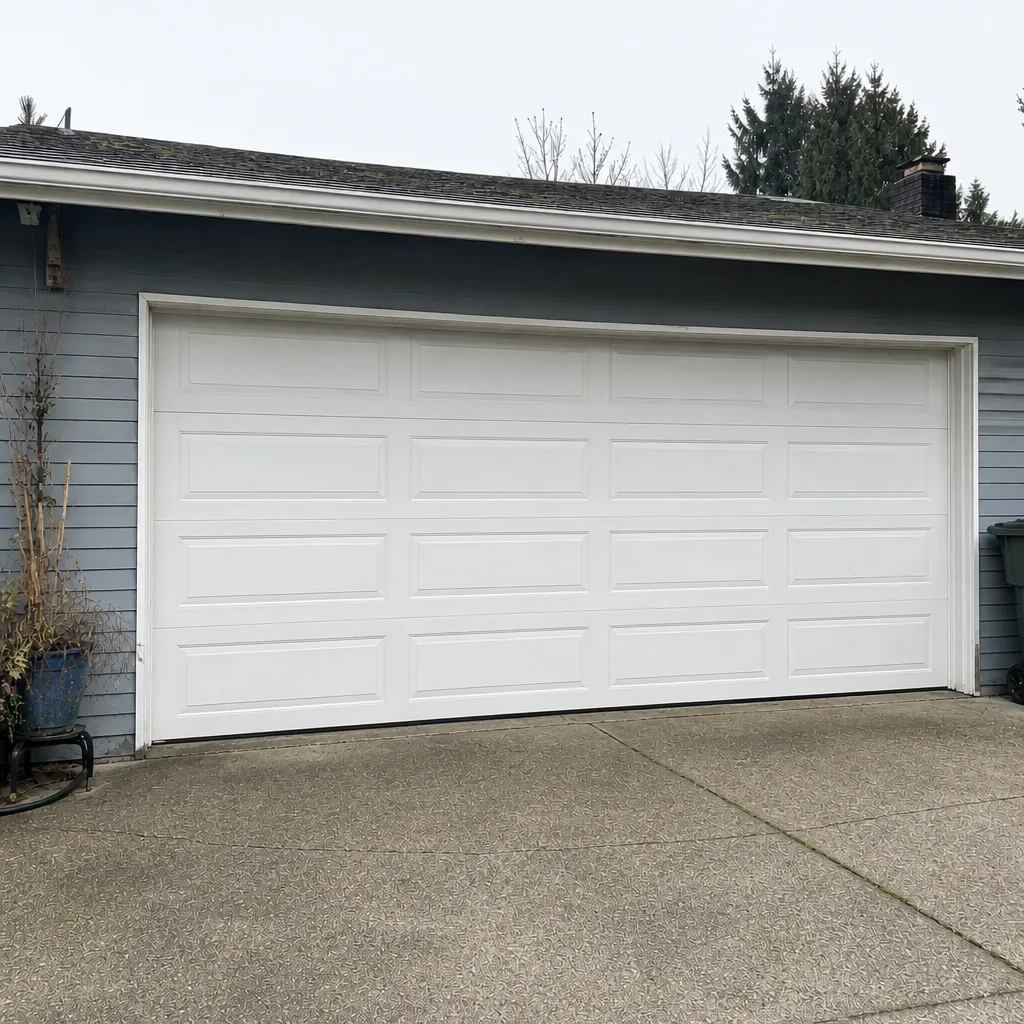
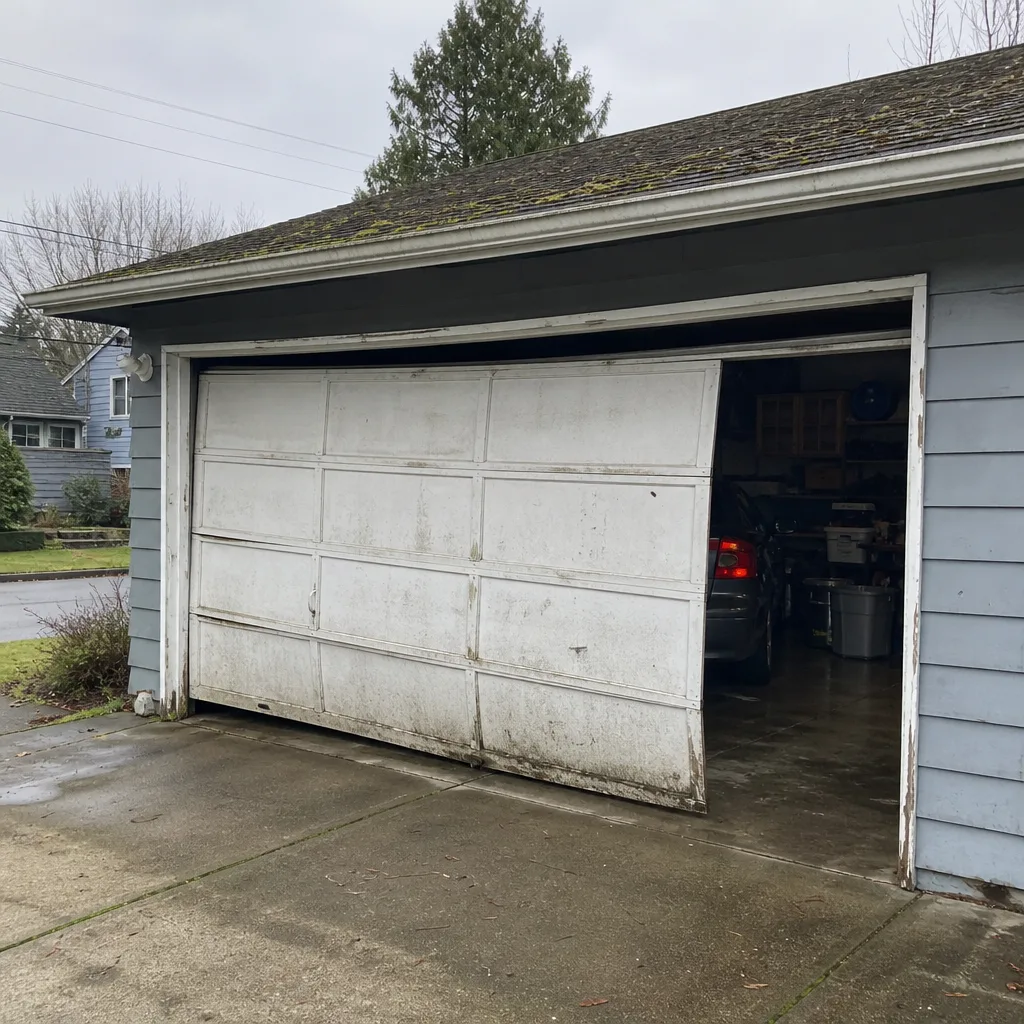
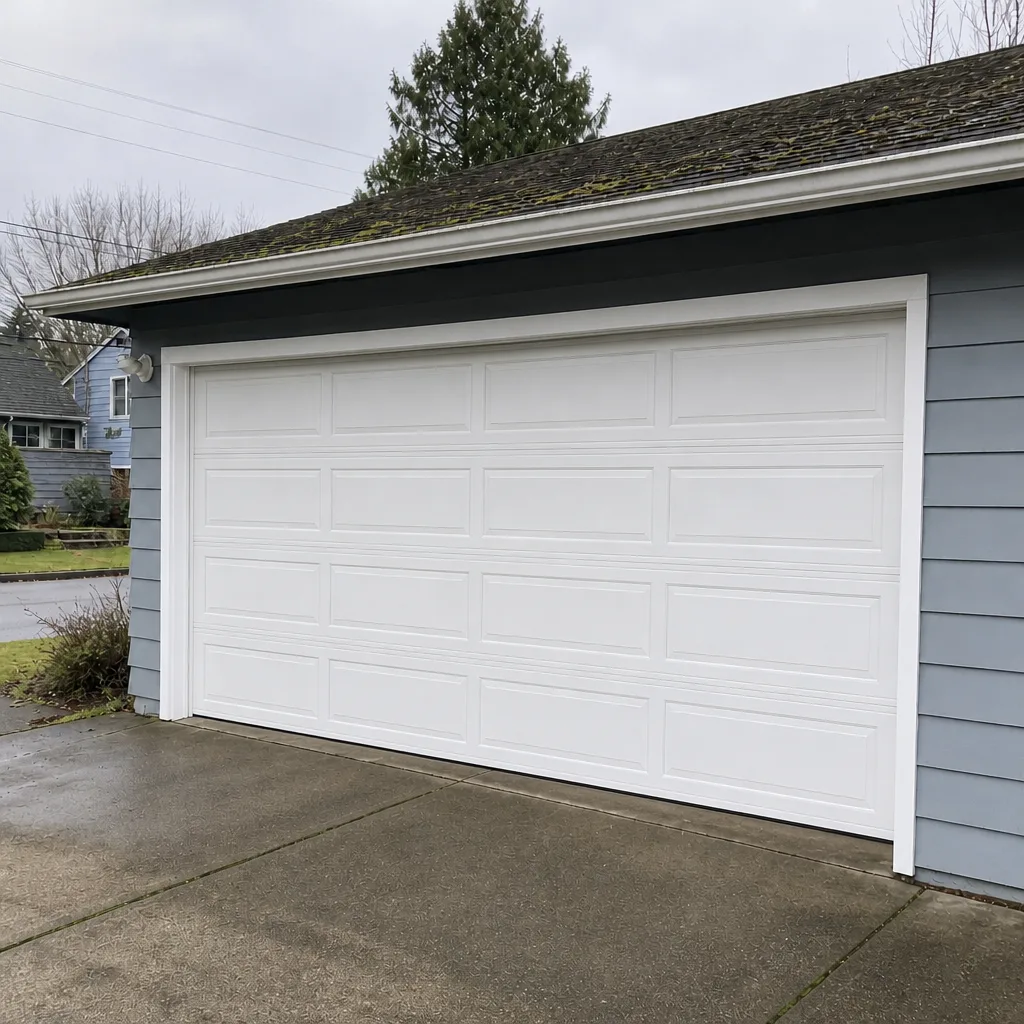
See the difference
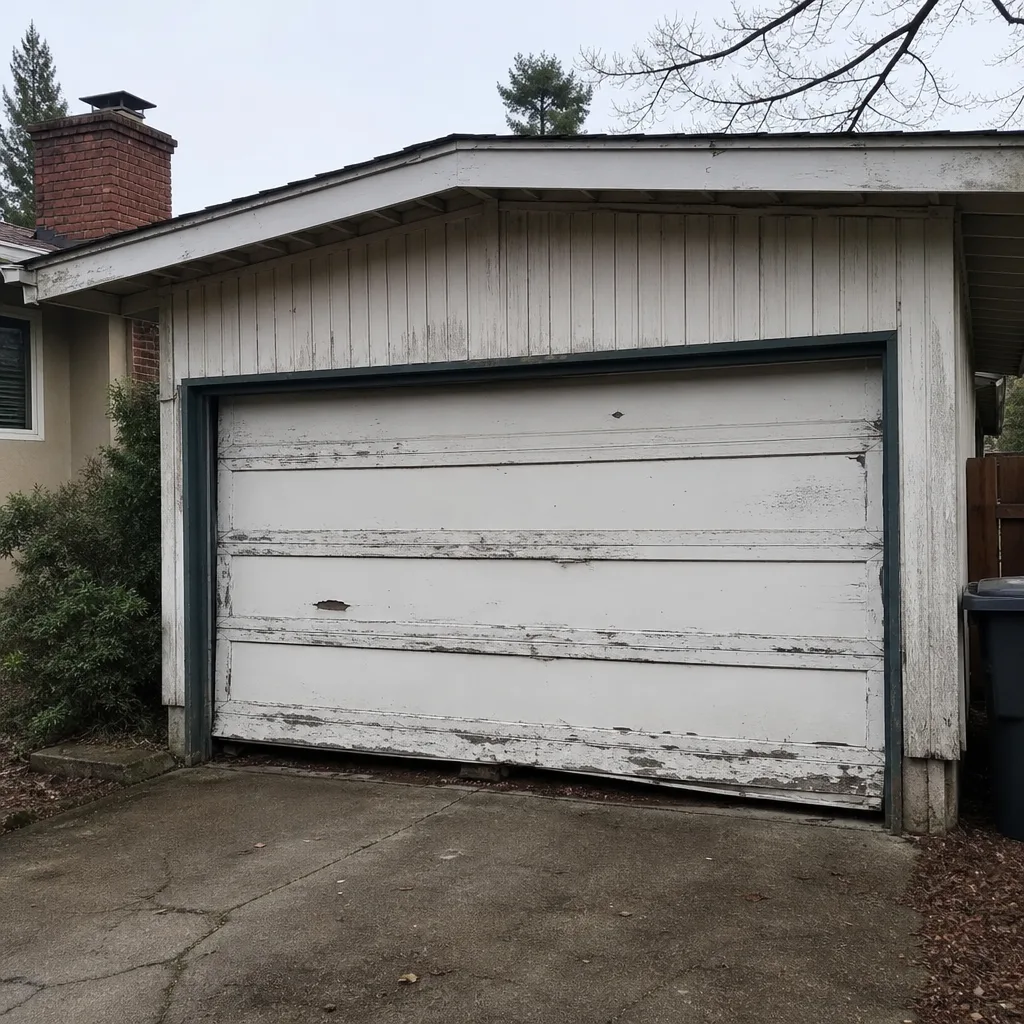 Before
 After
 Before
 After
 Before
 After
When to Call a Professional
Some things you can check yourself: a safety sensor that’s out of line, a remote with dead batteries, a door that’s tripping the reverse test. Some things you can’t, and shouldn’t try. Call a professional when a spring breaks or looks stretched, when the door comes down crooked or won’t stay up, when the opener runs but the door doesn’t move, or when the cables look slack or tangled. Anything involving high-tension hardware, a structural change, or a door that’s behaving unpredictably is a call, not a project. If you’re unsure, that’s reason enough. Burien Garage Door Repair offers free estimates in Burien – call (877) 619-3963. We answer 24/7, with fast dispatch from 7am to 7pm, Sunday through Friday.
Frequently Asked Questions
A like-for-like door replacement in Burien often doesn’t require a permit, but any change to the opening, the framing, or the way the door operates usually does. Check with Burien’s building department before you commit, since rules vary and special districts can add review. Call (877) 619-3963 for a free estimate on the repair side.
For an attached garage in Burien, a higher R-value is worth the money because the door shares a wall with heated living space. For a detached, unheated garage, R-value matters less than heavier steel and galvanized hardware, since the space stays cold regardless. The written estimate will spell out exactly what you’re paying for.
Yes. Garage door springs are under extreme tension, and a torsion or extension spring that snaps or is handled wrong can cause serious injury. That’s why we handle spring work with the proper equipment and won’t talk a homeowner through doing it themselves. Call (877) 619-3963 if you suspect a spring problem.
In most cases we repair the opener rather than replace it, especially when the real problem is in the door. We work on both legacy Craftsman systems and the newer LiftMaster smart-home platforms, so we’ve seen the typical failure modes of both. The free estimate will tell you what’s actually wrong before anything is decided.
No. The price is quoted and agreed before any work starts, and the written estimate sets the final price. The estimate itself is free. Call (877) 619-3963 and we’ll talk through what your door needs.
When the structure is sound and the problem is the mechanism – springs, rollers, track, or opener – repair is almost always the better move in Burien. Replacement makes sense when the panels are damaged, the door is undersized for the opening, or the hardware has rusted past the point of saving. Our focus is on repair, so we’ll tell you plainly which you’re dealing with.
The Bottom Line
A garage door that’s right for a Burien home is one specified for this climate and this housing stock: heavier-gauge steel with galvanized hardware, a style that fits your home’s structure, torsion springs matched to your ceiling height, and an R-value that makes sense for an attached versus detached garage. Get those right, then maintain the door with proper lubrication and a quick safety check, and it will last. When something fails, the fix belongs with a specialist who works on garage doors only. Call (877) 619-3963 for a free estimate, and remember: the price is quoted and agreed before any work starts.
Contact Us
If your door is stuck, a spring has let go, or the opener isn’t doing its job, we’re ready to help. Call (877) 619-3963 for a free estimate. We answer 24/7. Fast dispatch from 7am to 7pm, Sunday through Friday. Garage doors only, across the brands you actually own – LiftMaster, Chamberlain, Genie, Clopay, Amarr, Wayne Dalton, Craftsman, and Raynor.
Written by the team at Burien Garage Door Repair.