
Last updated November 20, 2026
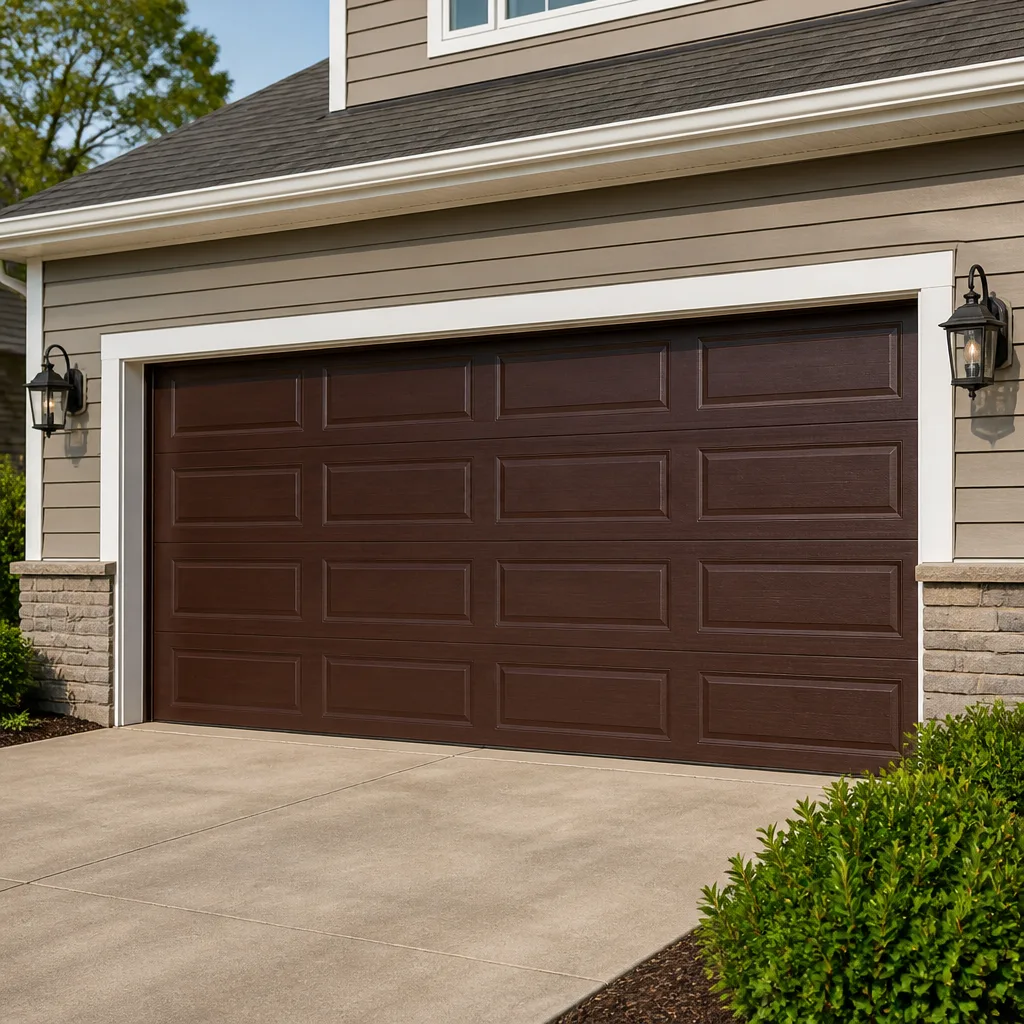 Raised-panel steel
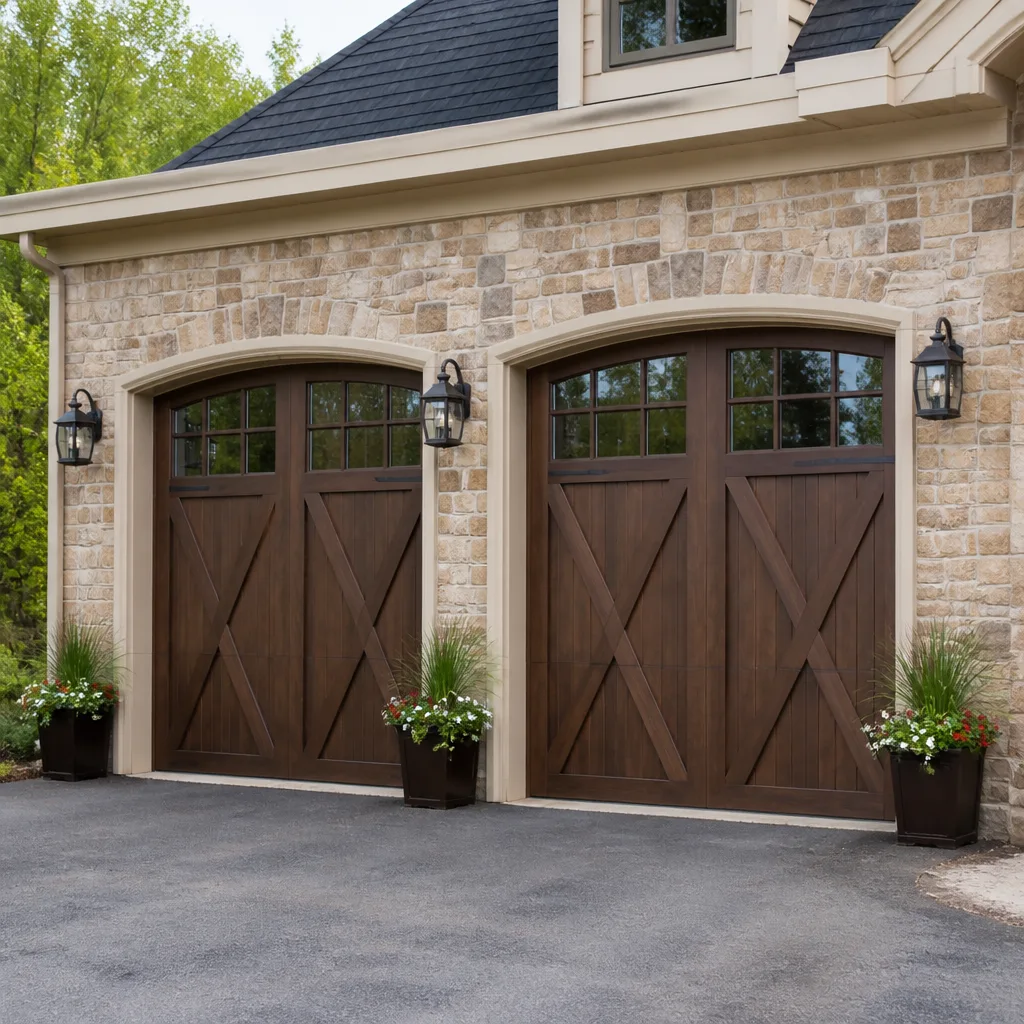 Carriage house
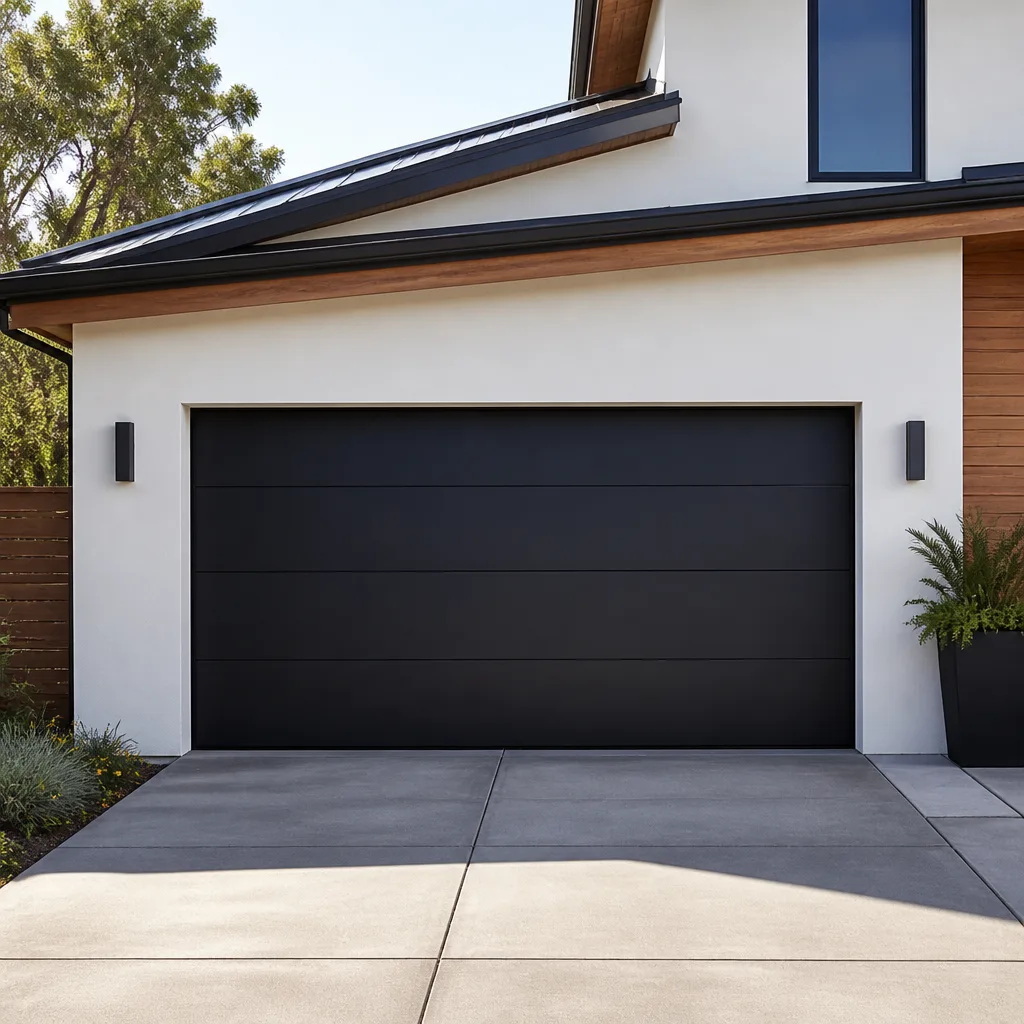 Modern flush
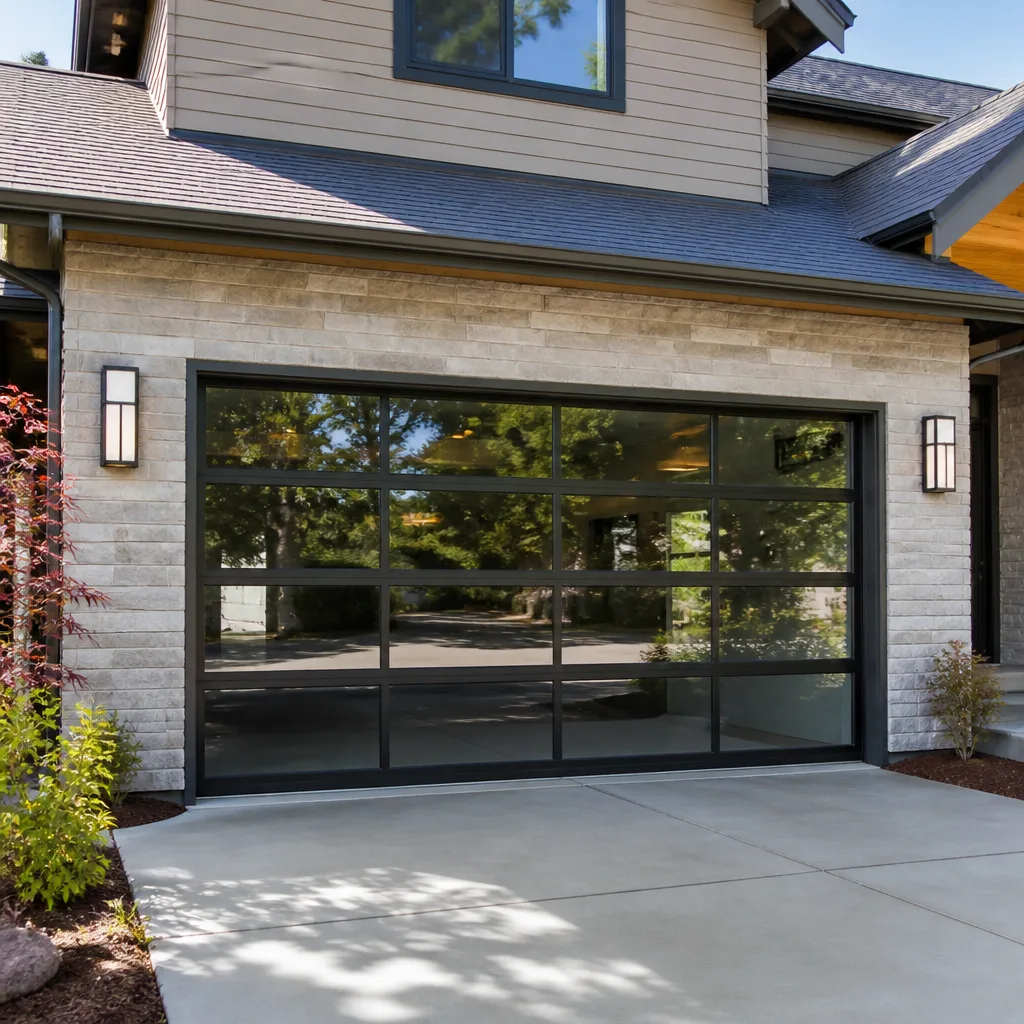 Full-view glass
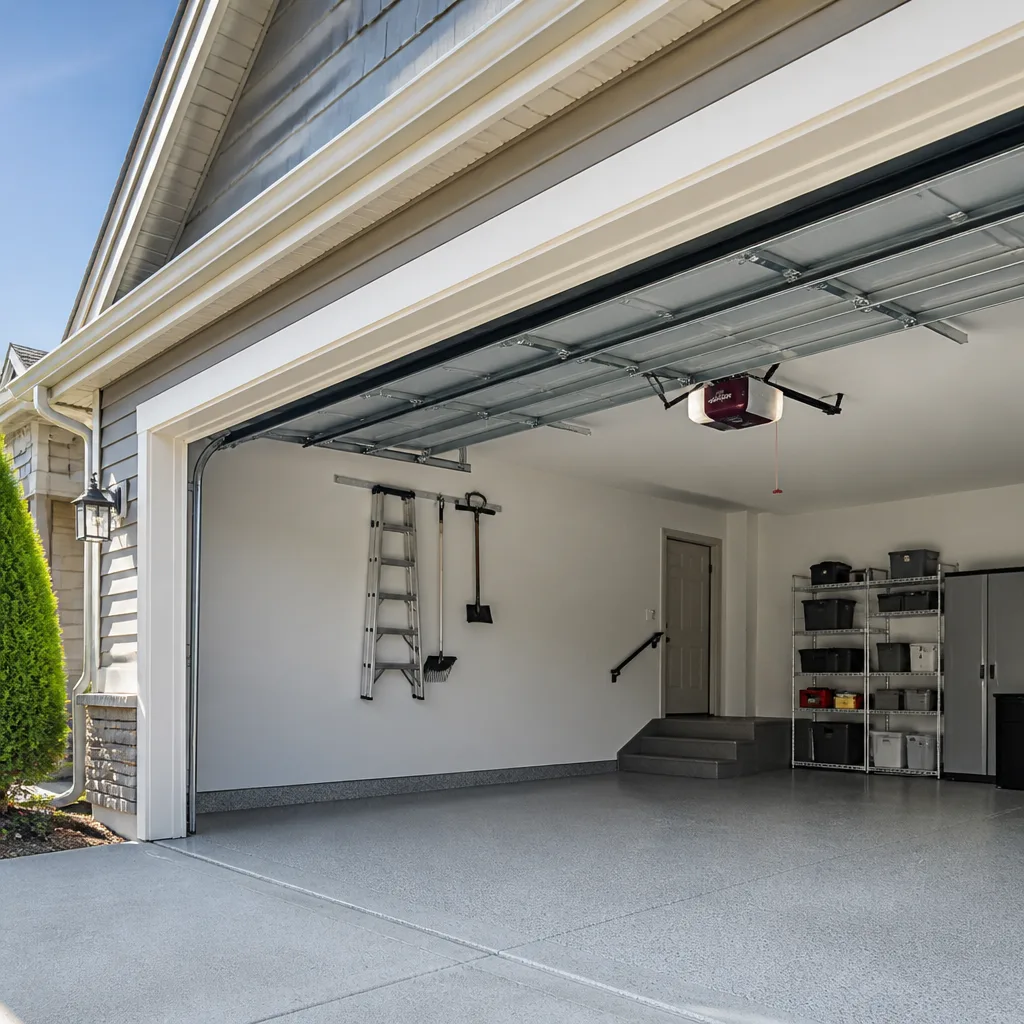 LiftMaster openers
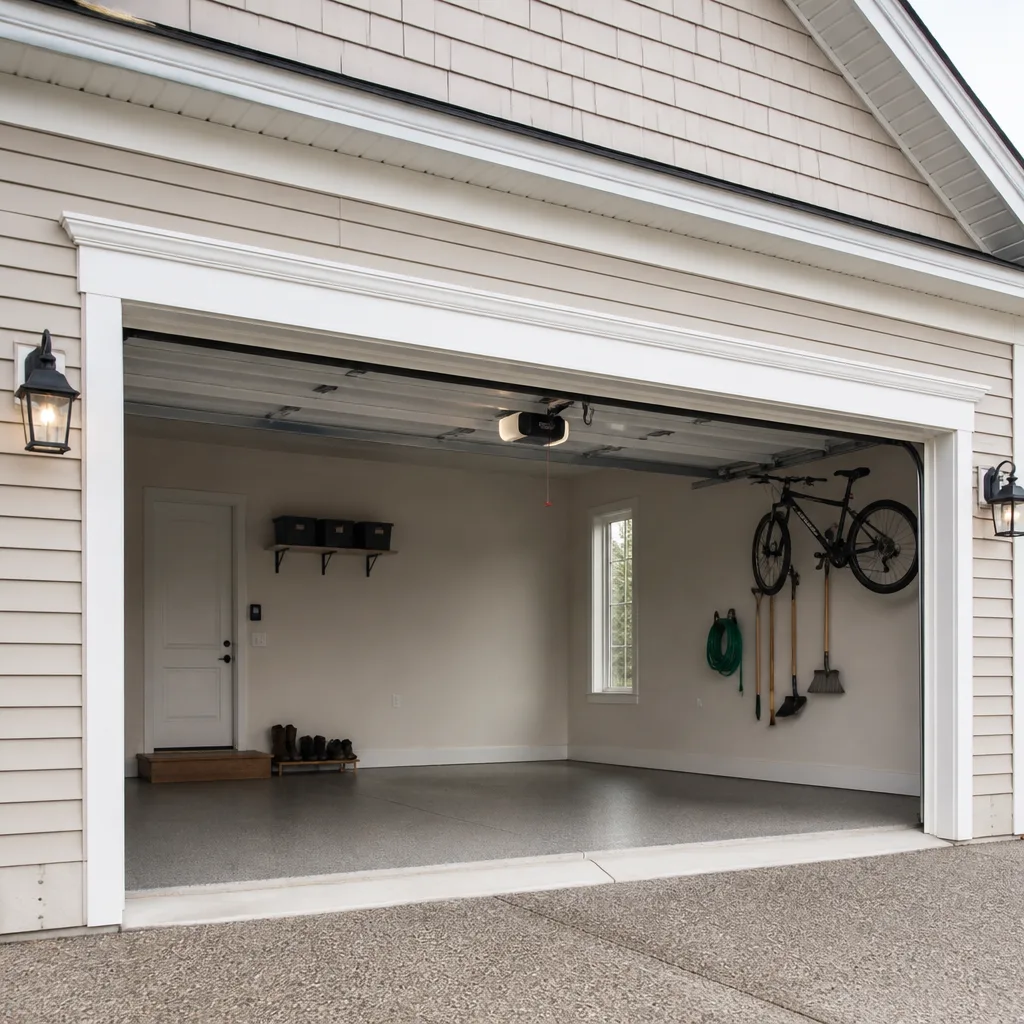 Chamberlain openers
Full 25-point door and opener safety check with every visit - springs, cables, rollers, tracks, and your LiftMaster or Chamberlain opener included
You get a price before we start. It does not change when the pro arrives.
Get your free estimateSeasonal Garage Door Care for Burien: Year-Round Homeowner’s Guide
Most garage door advice you’ll find online was written for a climate that freezes hard, thaws fast, and bakes everything bone dry in between. Burien doesn’t work that way. We don’t get the brutal freeze-thaw cycles that crack concrete and shear springs in the upper Midwest, but we get something that’s arguably rougher on steel hardware: nine months of steady dampness with just enough temperature swing to keep metal expanding and contracting without ever really drying out. That slow, consistent exposure is what this guide is built around. You’ll learn what to check each season, how the Puget Sound climate stresses your door, how to tell an opener problem from a spring problem on a cold morning, and which jobs belong in the dry months. Burien homes have their own rhythm, and a maintenance calendar that respects it will save you repair calls.
Quick Answer
Seasonal garage door care in Burien means matching your maintenance to the damp-cool-wet-dry pattern of the Puget Sound, not to a generic four-season checklist. Fall is for sealing and tightening before the rain locks in, winter is for watching how your door behaves in the cold, spring is for catching what the wet months did to seals and cables, and summer is the right window for weatherstripping, finish work, and scheduled repairs. Lubricate springs and moving parts with a proper garage door lubricant, never WD-40, and inspect rollers, hinges, and tracks at the turn of each season.
Styles & brands we work with
- Raised-panel steel
- Carriage house
- Modern flush
- Full-view glass
- LiftMaster openers
- Chamberlain openers
Table of Contents
- Why Burien’s Climate Is Hard on Garage Doors
- Fall Prep: What to Seal, Lubricate, and Tighten Before the Rain
- Winter Checks: Cold-Morning Sluggishness vs. a Spring Problem
- Spring Inspection: What a Wet Winter Leaves Behind
- Summer: The Right Time for Certain Repairs
- The Lubricant Mistake That Accelerates Corrosion
- Your Burien Seasonal Maintenance Calendar
- Common Mistakes to Avoid
Why Burien’s Climate Is Hard on Garage Doors
The typical advice you’ll read is that garage doors fail because of extreme temperature swings. That’s only half true. In Burien, the more consistent stress is moisture that never fully leaves. Metal that stays slightly damp for weeks at a time oxidizes slowly along edges, hinges, and cable ends. Wood that takes on moisture repeatedly moves just enough to loosen fasteners. And the modest temperature swing between a cool night and a mild afternoon is enough to keep steel contracting and expanding, working at the same joints over and over.
That combination is why we see a specific pattern of wear in the Burien area. It’s rarely one dramatic failure. It’s seized rollers, rough-opening tracks, frayed cable ends, and bottom seals that have gone stiff and started letting water creep under the door. Small things compound here, because the hardware is essentially wet or semi-wet most of the year.
Consider what actually hits a garage door over twelve months in this region:
- Autumn: weeks of steady rain, with water driven sideways under the door edge and into track hardware.
- Winter: cool, damp air with occasional frost, and cold mornings that stiffen lubricant and seals.
- Spring: more rain, then a quick warm-up that reveals what the wet season loosened or rusted.
- Summer: long dry spells, lower humidity, and the conditions that let sealants and finishes cure properly.
The takeaway is that a maintenance calendar for Burien should be built around moisture, not around freezing. If you get that right, most of the rest of this guide is just the details.
Fall Prep: What to Seal, Lubricate, and Tighten Before the Rain
Fall is the highest-value maintenance window of the year for a Burien garage door. Once the November rain pattern locks in, anything you didn’t seal, tighten, or lubricate is going to sit wet for weeks. The work you do on a dry October weekend pays off every month after it.
Here’s the order we’d work in:
- Check the bottom weather seal. Look for cracks, stiffness, or gaps at the floor line. A seal that’s already stiff won’t keep out the wind-driven rain, and water that gets under the door runs straight into the bottom panel and the track base.
- Lubricate springs, hinges, rollers, and the pivot points. Use a garage door lubricant intended for the job, not a general-purpose spray. A few drops worked into each hinge and roller stem goes a long way.
- Tighten hinge and bracket bolts. Fasteners loosen over a season of use. Snug them with a wrench, but don’t overtorque and strip the metal.
- Look at cable ends and drum hardware. Visually check for fraying, kinks, or corrosion where the cable meets the drum. Don’t touch tensioned cables or springs, and we mean that literally.
- Wipe down the track and clear debris. Dirt and small grit that collect in the track turn into a grinding paste with the first fall rain.
- Test the door’s balance. With the door closed, trip the opener and lift the door by hand; a well-balanced door lifts easily and stays put halfway up. If it fights you or slams, the springs need attention.
- Test the safety reverse. Put a small obstacle under the closing door and confirm it reverses. Test the photo-eye sensors at the same time.
That’s the whole fall prep for most homes. Do that much and you’ve bought yourself a much less eventful winter.
Winter Checks: Cold-Morning Sluggishness vs. a Spring Problem
The most common winter call we get sounds the same regardless of what’s actually wrong: the door is slow, or it struggles, or the opener sounds like it’s working harder than it should. Cold weather makes both openers and springs behave differently, so the first job is telling them apart. Do that before you call anyone, because it changes everything about what the fix will be.
Here’s how to organize the diagnosis:
- If the door opens slowly but the opener motor sounds normal and the door is still balanced by hand: that’s usually an opener issue or stiff lubricant and cold seals. Stiff grease, cold weather, and a door that’s slightly out of balance all add drag.
- If the door is hard to lift by hand, sags, or won’t stay halfway up: that points at the springs, not the opener. Springs lose tension, and loss of tension makes the opener compensate, which is exactly what you don’t want long term.
- If the door lifts a few inches and stops, or the opener pulls but the door barely moves: likely a spring that’s broken or lost most of its tension.
- If the opener runs but the door doesn’t move at all: check the emergency release and the trolley before assuming anything. The door may be disconnected.
- If there’s a loud bang from the garage and the door won’t open: almost always a spring. Don’t force it, and don’t touch the hardware; call a professional.
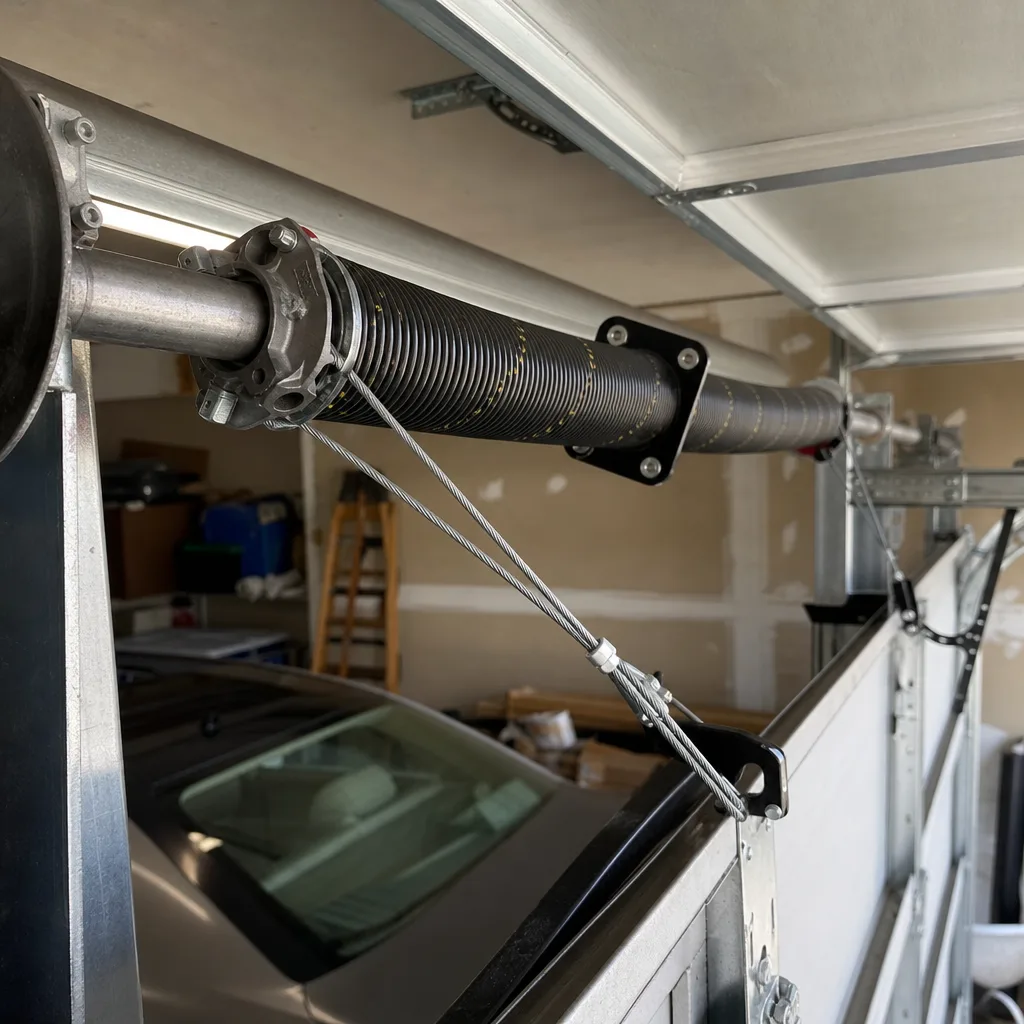
We want to be blunt about the danger here. Torsion and extension springs store enormous force, and a spring under tension is not something to adjust, replace, or “take a look at” on your own. The same goes for the cables and drums attached to them. The safest winter check you can do is a hand-lift test of the door and a visual look at the hardware from a safe distance. If something looks wrong, that’s when it’s time to bring in someone trained for the job. In Burien, our garage door spring repair technicians work with proper winding bars and high-tension handling equipment for exactly this reason.
If the door is genuinely stuck on a cold morning, call rather than force anything. We answer 24/7, and a call outside dispatch hours gets booked into the next opening, Sunday through Friday, 7am to 7pm. Fast dispatch from 7am to 7pm, Sunday through Friday, means a same-day technician is often realistic when the call comes in during the day.
Spring Inspection: What a Wet Winter Leaves Behind
By March, a Burien garage door has been through months of damp. The spring inspection isn’t about the springs alone; it’s about everything the wet season quietly loosened or rusted. Catch this in March and April and you avoid the bigger failures that otherwise show up in the middle of summer.
Work through these priorities:
- Bottom seal and threshold. Look for splits, hardening, and gaps. A seal that sat wet all winter is usually the first casualty of the season.
- Cable ends and drums. Look for rust, fraying strands, or kinks near where the cable attaches. Fraying is a stop-using-the-door signal, not a watch-and-wait signal.
- Track hardware. Look for loose bolts, rust spots, and any bend in the track. A track that’s out of alignment will drag the door and stress the opener.
- Rollers. Look for flat spots, cracked wheels, and rollers that no longer spin freely. Seized rollers turn the track into a grinding surface.
- Hinges and brackets. Look for rust and for fasteners that have backed out after a season of moisture and vibration.
- Springs and their anchor points. From a safe distance, look for rust, gaps in the coils, or a spring that’s visibly stretched. Leave the touch test to a professional.
Anything electronic is worth a spring check too. If your opener is a LiftMaster, Chamberlain, or Genie system, this is the time to clear any error codes, test the safety reverse again, and make sure the wall control and remotes all behave. Older mechanical systems and modern connected openers both benefit from a spring check; they just fail in different ways.
If anything on this list looks wrong, a spring inspection is a much easier conversation than a door that fails in July. Our garage door repair technicians see the spring flood of problems every year, and the calls that come in earliest are always the cheapest to resolve.
Summer: The Right Time for Certain Repairs
Summer is dry, and dry weather changes what’s worth doing. In Burien, the dry stretch is when weatherstripping actually adheres, when paint and finish on steel doors cure properly, and when scheduled repairs go in without rain blowing into the garage. If you’ve been putting off a bottom seal, a paint touch-up on a steel door, or a scheduled adjustment, this is the season for it.
Here’s why dry matters:
- Weatherstripping adhesion. Adhesive-backed seals stick and stay stuck on a dry surface. On a wet or damp surface, they peel and fail. That’s why a seal fitted in summer outlasts one fitted in November.
- Paint and finish on steel doors. Any finish work on a Clopay or Amarr steel door needs dry conditions to cure. Humidity or dampness during curing leads to lifting and peeling later.
- Scheduled adjustments and repairs. A planned repair in summer is a calm repair. The alternative is an unplanned failure in the middle of a wet winter week.
- Opener troubleshooting. Tracking down a sensor or logic fault on a Chamberlain or LiftMaster opener is far easier when the conditions aren’t adding extra variables.
One thing to remember about summer scheduling: this is the season for measured, planned work, not a same-day emergency. If your door needs a new seal, finish work, or a scheduled repair, get a free measure and a written price on the calendar. It beats waiting for a cold, wet day to force the issue.
If you’re unsure whether something is a summer job or a call-now job, our garage door opener repair page walks through the common opener symptoms so you can tell which one you’re dealing with.
The Lubricant Mistake That Accelerates Corrosion
The most common lubricant mistake we see in Burien homes is reaching for WD-40 on springs. It’s a habit that makes sense at first glance, because WD-40 is what most people have in the garage and it does loosen things up. The problem is that the classic WD-40 formula is a light penetrating solvent, not a long-term lubricant. It displaces moisture briefly, then thins out or evaporates, leaving the metal drier than before and drawing more dust into the joints. In a climate where hardware stays damp for most of the year, that cycle works against you.
What you actually want is a garage door lubricant that stays where you put it. A correct product:
- Coats the metal: forms a barrier, so moisture from the air and from rain doesn’t settle directly on steel.
- Stays put: doesn’t run off or evaporate within days of application.
- Attracts less dust: a tacky film that collects grit is worse than a clean dry surface.
Where to apply a garage door lubricant, in order of priority:
- Springs (from a safe distance, never while touching the coils)
- Hinges at the pivot points
- Roller stems
- The bearing plates at the ends of the torsion bar
- Lock and latch hardware
Do not lubricate the track surface itself. The track is meant to guide the rollers with minimal contact, and adding lubricant to the track surface just attracts grit. A light wipe is all it needs. If you’re not sure which product is right for your door, that’s a fair question to ask when a technician is there. Our team works on the major brands, so we can tell you what’s appropriate for a Clopay steel door versus a Wayne Dalton door or a wood door with a different finish. While you’re at it, if a spring looks wrong, don’t oil it and hope; the corrosion you’re seeing on a spring is reason enough to have it looked at under proper tension handling. We’ve put together a broader overview of the shop’s approach on our Burien Garage Door Repair home page if you want the full picture of what we do.
Your Burien Seasonal Maintenance Calendar
Here’s the whole year in one place. Print it, stick it to the inside of the garage door frame, and work through it once a season. None of these tasks takes more than an hour.
Fall (September to November)
- Inspect and replace the bottom weather seal if it’s cracked or stiff.
- Lubricate springs, hinges, rollers, and pivot points with the correct product.
- Tighten hinge and bracket bolts.
- Inspect cable ends and drums for fraying or rust.
- Wipe out the tracks.
- Hand-test door balance.
- Test the safety reverse and photo-eye sensors.
Winter (December to February)
- Hand-test door balance on a cold morning if the door feels sluggish.
- Listen for changes in the opener’s sound.
- Check the bottom seal for drafts at the floor line.
- Stop using the door and call if you hear a bang or the door lifts unevenly.
- Leave spring adjustment to a professional.
Spring (March to May)
- Full bottom seal inspection and replacement if needed.
- Cable end, drum, and track hardware inspection.
- Roller inspection for cracks, flat spots, or seized bearings.
- Hinge and bracket bolt check.
- Opener error-code check on connected systems.
- Safety reverse and sensor test.
Summer (June to August)
- Fit new weatherstripping while conditions are dry.
- Touch up paint or finish on steel doors.
- Schedule any planned adjustments or repairs.
- Do the annual deck of seasonal checks all in one visit.
Common Mistakes to Avoid
- Using WD-40 on springs or hinges. It’s a penetrating solvent, not a long-term lubricant. It thins out fast, and in a wet climate that leaves your hardware drier and more exposed than when you started.
- Lubricating the track surface. It seems helpful, but it just collects grit and turns into grinding paste. Wipe the track clean and leave the surface dry.
- Ignoring a stiff bottom seal through the fall. That seal is your first line against wind-driven rain. Once it’s hard and cracked, water gets in all winter and works on the bottom panel.
- Adjusting or replacing a spring yourself. Torsion and extension springs store enormous force, and the hardware attached to them kills people who try. This is a trained-professional job, full stop.
- Blaming the opener for a spring problem. If the door is hard to lift by hand or won’t hold halfway, it’s a balance or spring issue. Replacing the opener in that situation just destroys the new opener too.
- Scheduling seal or finish work for a wet month. Weatherstripping and paint need dry weather to adhere and cure. In Burien, that window is summer, not October.
- Letting a small frayed cable go. A frayed cable end is a sign the cable is failing. A failing cable is a stop-using-the-door situation, not a watch-and-wait one.
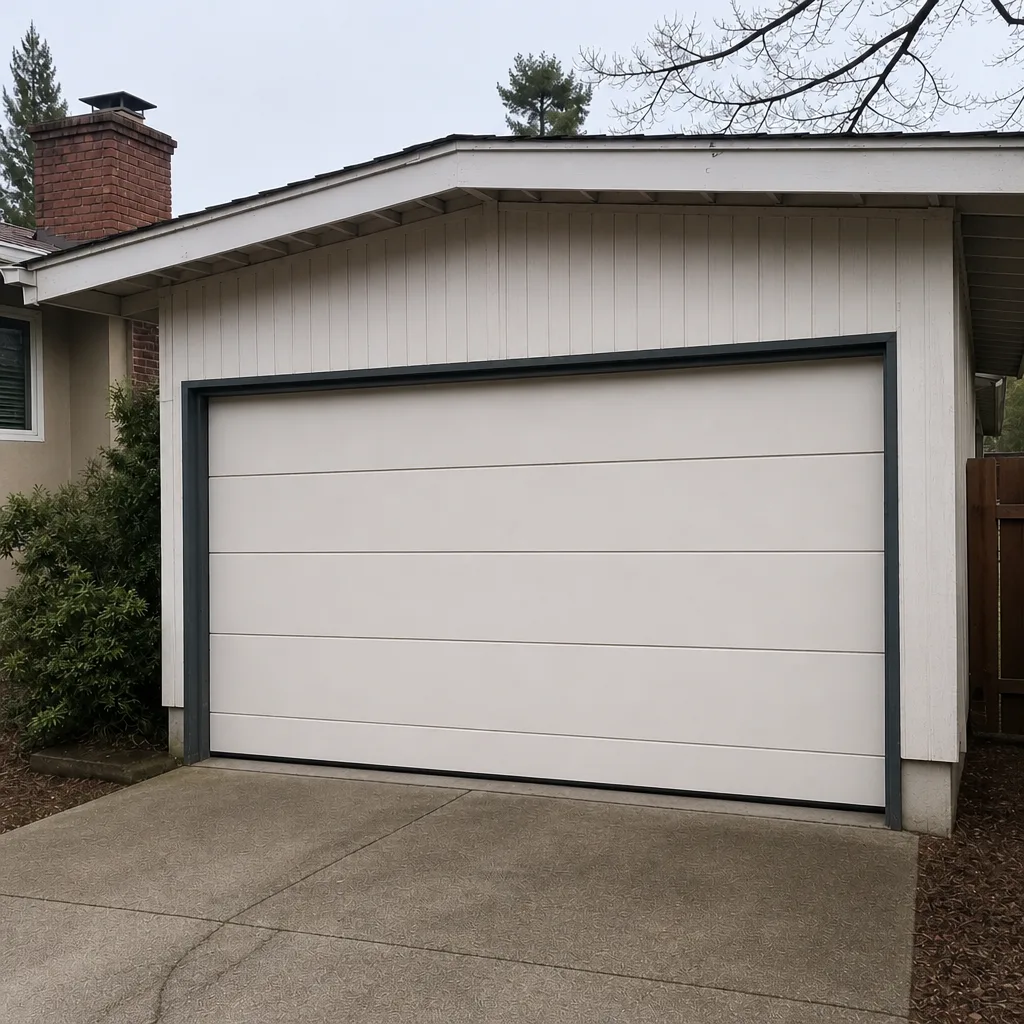
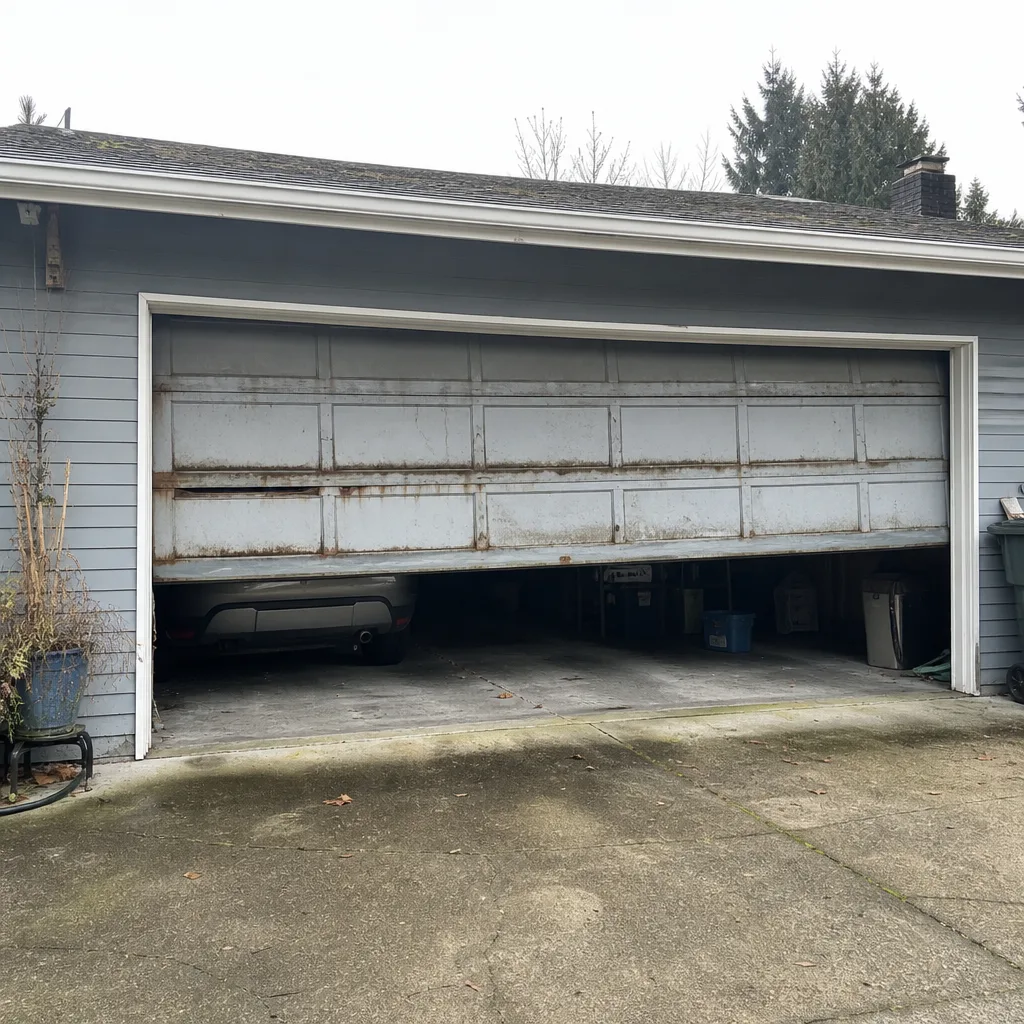
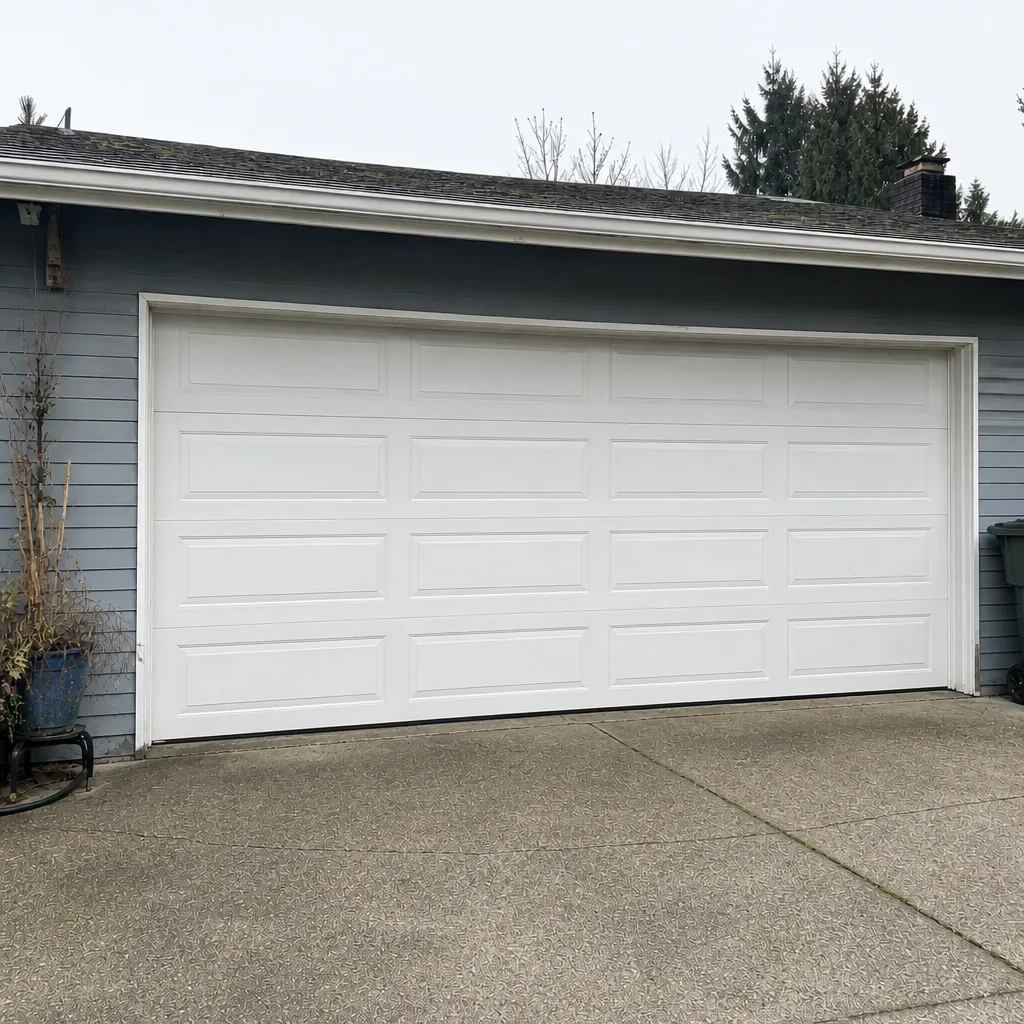
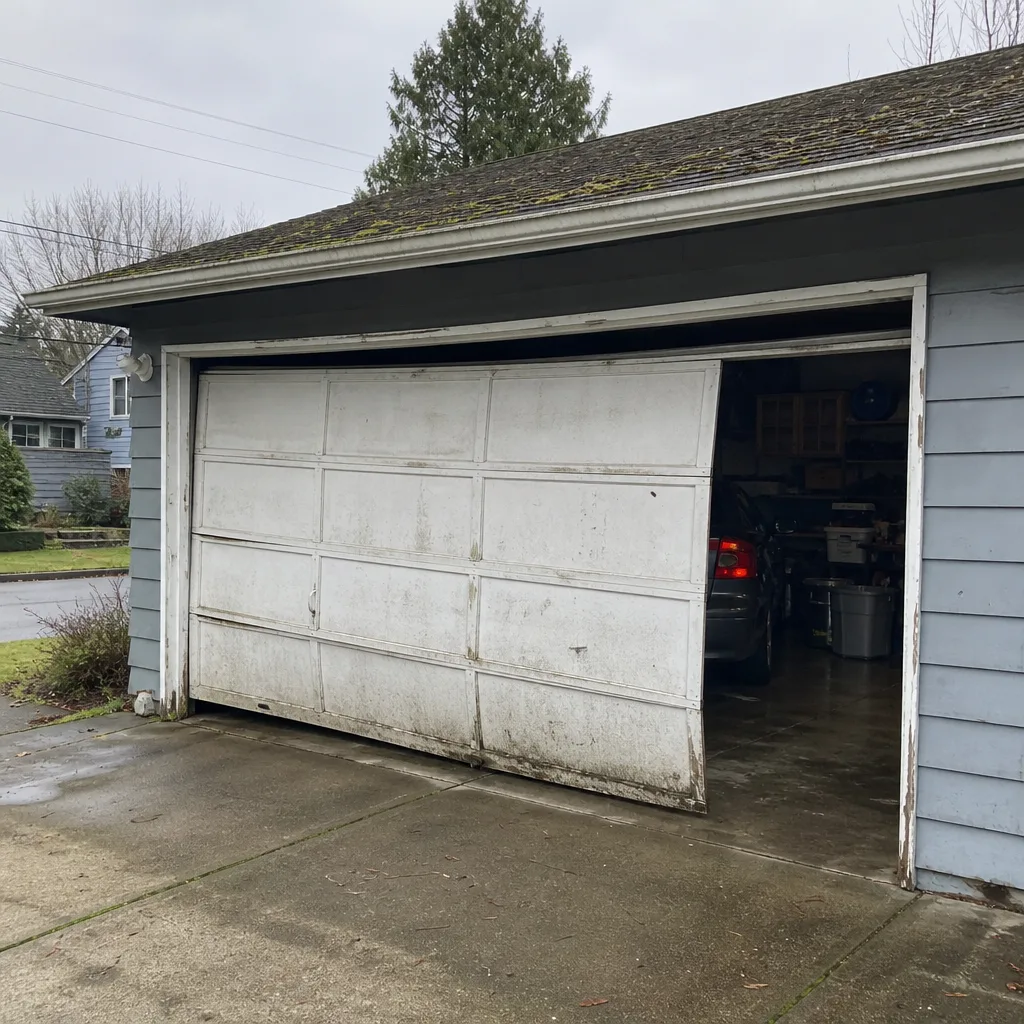
See the difference
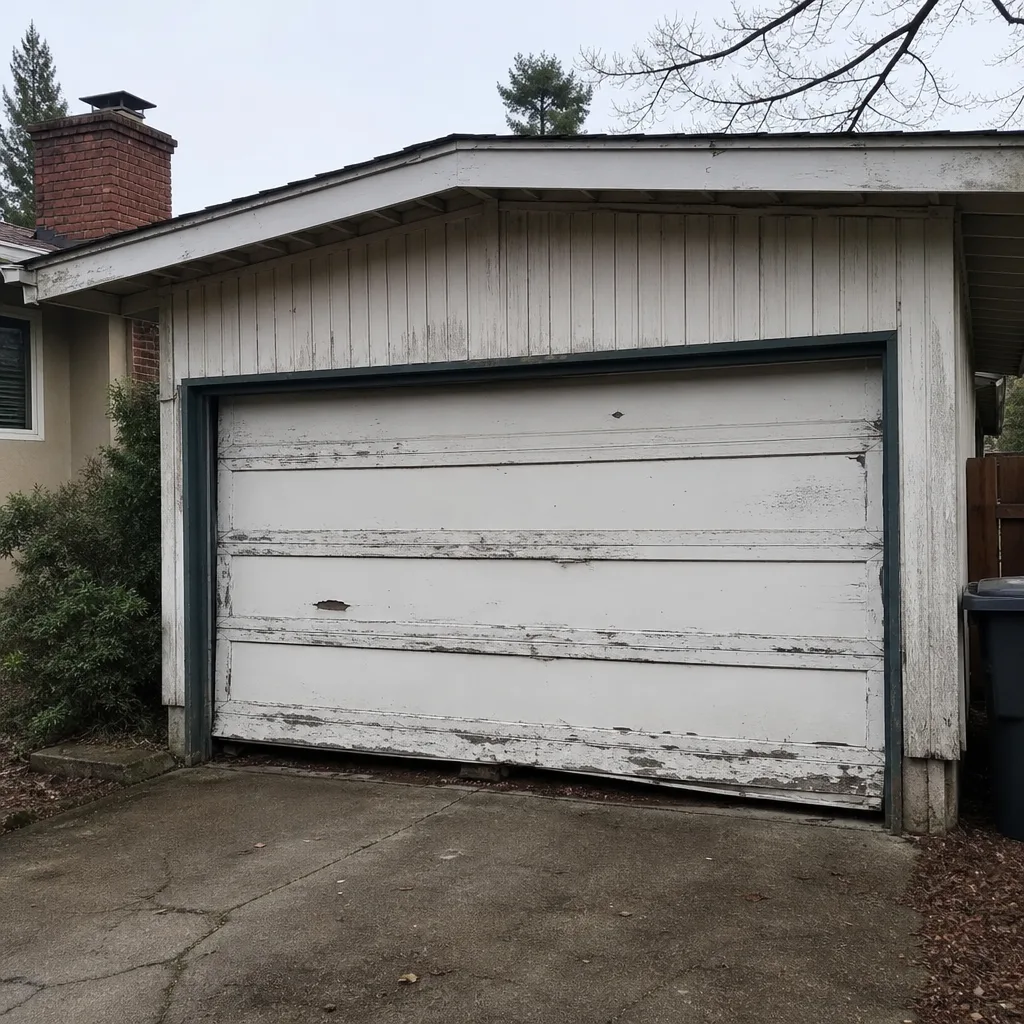 Before
 After
 Before
 After
 Before
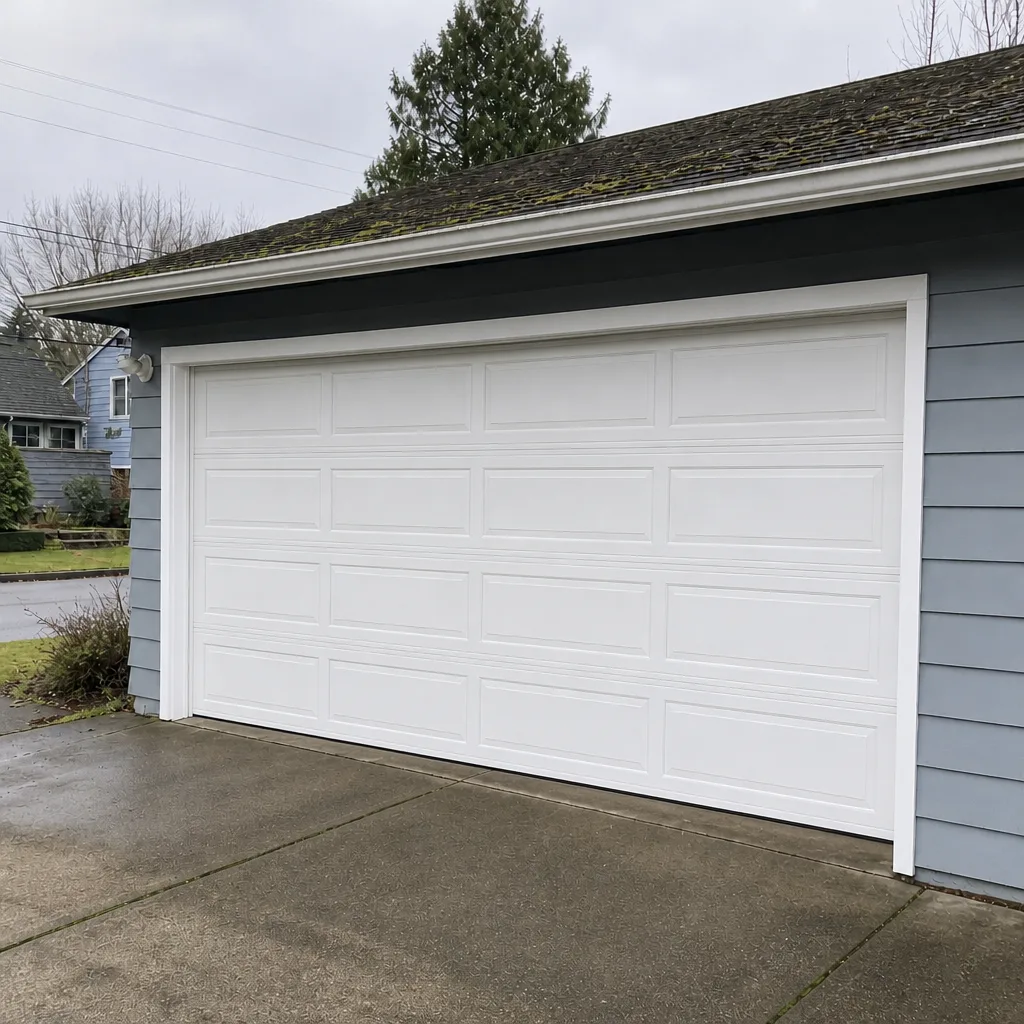 After
When to Call a Professional
Call a professional the moment a spring looks or sounds wrong, if a cable is frayed or kinked, if the door lifts unevenly or won’t stay halfway up, or if you hear a bang from the garage and the door won’t move. Those are all situations where the hardware is under high tension and the safe move is to stop using the door. The same goes for any opener fault involving a burning smell, repeated tripping, or the motor running without moving the door. If you’re not sure what you’re looking at, a free estimate is the right next step. Burien Garage Door Repair offers free estimates in Burien. Call (877) 619-3963. We answer 24/7. Fast dispatch from 7am to 7pm, Sunday through Friday, and the price is quoted and agreed before any work starts.
Frequently Asked Questions
Twice a year is a reasonable baseline for a Burien garage door, and fall is the most important of the two because it sets you up for the wet season. Use a proper garage door lubricant on springs, hinges, rollers, and pivot points, not WD-40, and don’t put anything on the track surface. If your door gets heavy use or is a wood door with open joints, you may want to add a spring touch-up. Call (877) 619-3963 if you want to know what’s right for your specific door.
Cold-morning sluggishness is usually cold lubricant, stiff seals, or an opener working slightly harder than it did in summer. If the door is still balanced when you lift it by hand, it’s likely an opener or lubricant issue. If the door is hard to lift or won’t stay halfway up, that points at the springs, not the opener. The hand-lift test is the fastest way to tell the two apart.
No. Torsion and extension springs store enough force to cause serious injury or death, and the hardware attached to them is just as dangerous. Springs, cables, and drums are all jobs for a technician trained and equipped for high-tension hardware. If a spring looks wrong, stop using the door and call a professional. Our garage door spring repair technicians handle this specific job with proper winding bars and handling equipment.
Replace the bottom seal as soon as it’s cracked, stiff, or leaving a gap at the floor, which in Burien is often after one wet winter. A stiff seal won’t keep wind-driven rain out, and water that gets in under the door works on the bottom panel all season. Fit the new seal in dry summer weather so it adheres and cures properly. A free estimate will tell you if yours is past the point of saving.
Yes, wood doors need more attention to finish and fasteners than steel. Wood takes on moisture repeatedly in a damp climate, moving just enough to loosen screws and open small cracks where water can get in. A wood door deserves an annual look at the paint or stain on the bottom rail and near the hinge lines, plus a bolt check. Steel doors like a Clopay or Amarr are more forgiving on the finish side but still need seal and hardware checks.
Often, yes, when the call comes in during dispatch hours. We answer 24/7, and fast dispatch from 7am to 7pm, Sunday through Friday, makes same-day repair realistic for spring, opener, and mechanism failures. A call outside dispatch hours gets booked into the next opening, Sunday through Friday, 7am to 7pm. We’re closed Saturday. For any repair, the price is quoted and agreed before any work starts. Call (877) 619-3963.
The Bottom Line
Your garage door in Burien lives in a wet, mild climate that stresses hardware in ways a generic seasonal checklist ignores. Fall is about sealing and lubricating before the rain locks in. Winter is about telling cold-weather sluggishness apart from a spring problem, using the hand-lift test. Spring is about catching what the wet season left behind in seals, cables, and tracks. Summer is for weatherstripping, finish work, and scheduled repairs while it’s dry. And the single easiest win is dumping the WD-40 in favor of a proper garage door lubricant. Do those four things and most doors will go years between serious repairs. For any repair, opener, or spring issue, the price is quoted and agreed before work starts, and our technicians have up to 14 years of experience with the brands most homes actually have. Call (877) 619-3963 for a free estimate. We answer 24/7. Fast dispatch from 7am to 7pm, Sunday through Friday, and we’re closed Saturday.
Written by the team at Burien Garage Door Repair.